Departing from Karakol
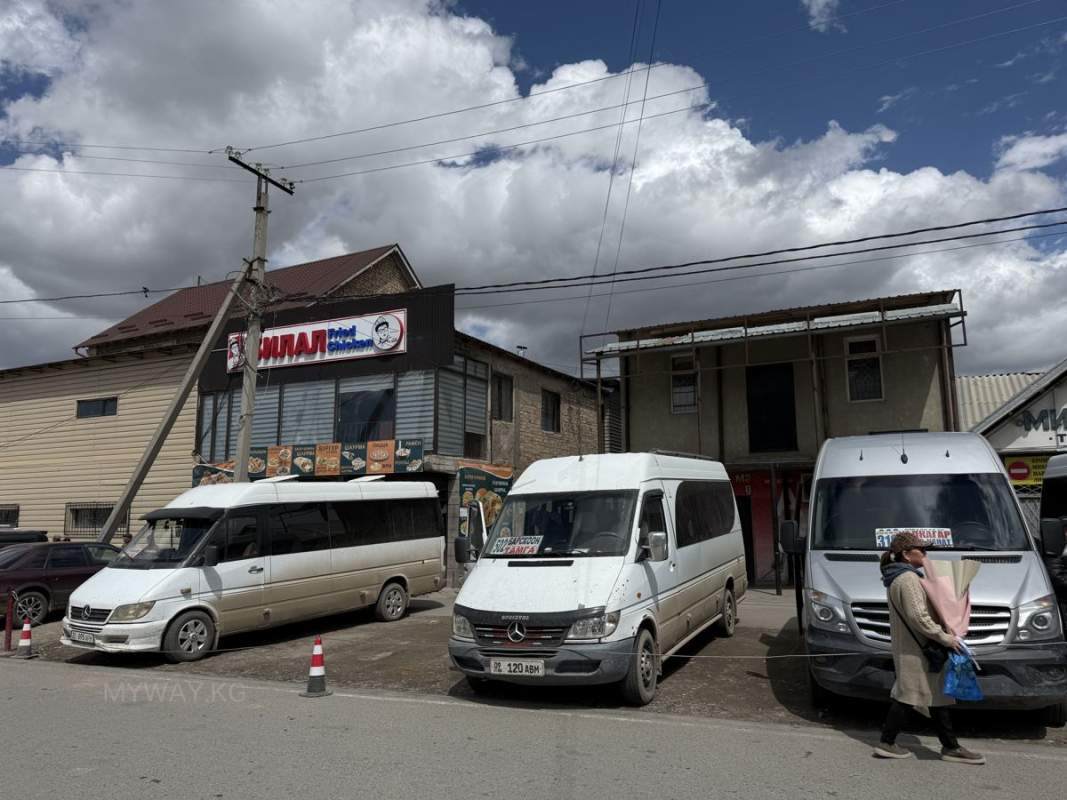
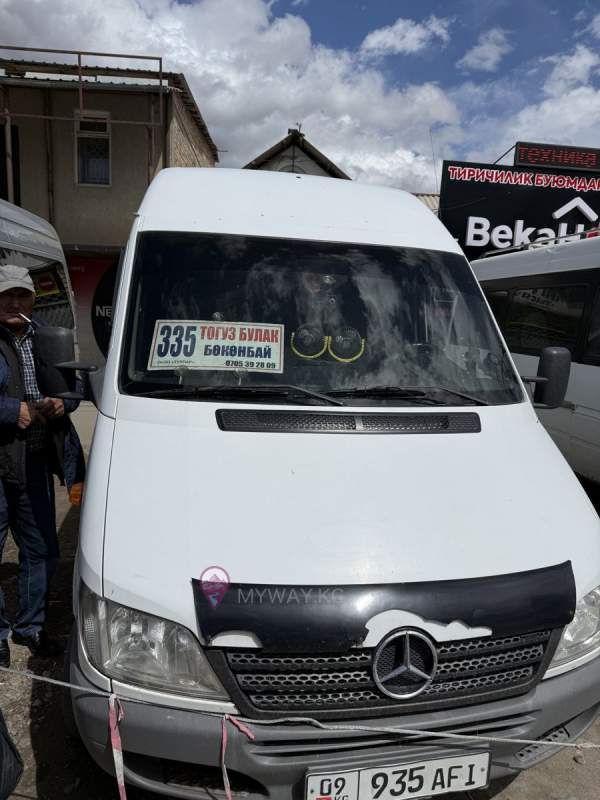
To reach this historic destination, head to the regional transport hub at the Ak-Tilek Bazaar in central Karakol. Look for Marshrutka #335.
While many travelers use this line to hop off at the cultural hub of Bokonbayevo, the minibus actually continues its run further down the south shore, terminating right in the center of Toguz-Bulak village. Boarding is first-come, first-served as the bus fills up. The current fare is roughly 300 KGS.
Active 2026 Highway Reconstruction Warning
⚠️ Traveler Alert: The main southern lakeside highway is currently undergoing extensive, total reconstruction.
Because of active heavy machinery, unpaved diversions, and long stretches where the asphalt has been entirely removed, your travel time will easily stretch to 3 hours or more. Expect a dusty, rough ride. We highly recommend keeping your bags safely stowed away in the trunk and keeping the passenger cabin windows closed against the construction dust.
The Return Journey
To travel back east to Karakol, wait at the main road or central square in Toguz-Bulak where the #335 turns around. Because this village lies further down the line, minibuses can be less frequent in the late afternoon. Aim to catch your ride back before 16:00 – 16:30. If you miss the direct bus, you can catch a short local ride to the Bokonbayevo central bus station, where shared taxis and additional transit options to Karakol run slightly later.
What to See & Do: The Archaeological Mecca
Toguz-Bulak and its neighboring valleys serve as a literal open-air museum, holding immense historical weight for travelers tracking old-world trade paths along the southern shore of Lake Issyk-Kul.
- Ancient Silk Road Settlements & Kurgans: The fields and foothills surrounding Toguz-Bulak are renowned among historians as a crucial, protected node of the ancient Silk Road network. Wandering the area reveals traces of medieval settlement foundations and prominent ancient burial mounds (kurgans) left behind by early nomadic civilizations.
- Saka-Usun Petroglyphs & Rock Art: Long before the Kyrgyz tribes settled the basin, the early Iron Age Saka-Usun tribes (8th Century BC – 1st Century AD) used these rocky, sun-facing valleys as sacred grounds. Boulders throughout the foothills feature distinct petroglyphs pecked into the dark "desert varnish" (patina) of the stones. Visitors can spot typical animal style drawings—including ibexes, wild rams, horses, and long-horned bulls—alongside ancient nomadic tamgas (tribal emblems/stamps).
- Toguz-Bulak South Waterfall: Tucked further up into the mountain trail system toward the Tossor Axis, a trek up the roaring Toguz-Bulak River reveals a stunning, four-tiered alpine waterfall cascading at an altitude of over 3,300 meters (requires a 4x4 vehicle).
- Lakeside Yurt Stays & Horse Trails: Because it sits slightly off the heavily trafficked tourist trail, Toguz-Bulak offers an exceptionally authentic, slow-paced look at rural Kyrgyz life, complete with rugged horse-trekking paths leading deep into the Terskey Ala-Too range.