Departure and the Station Ticket Office Trick
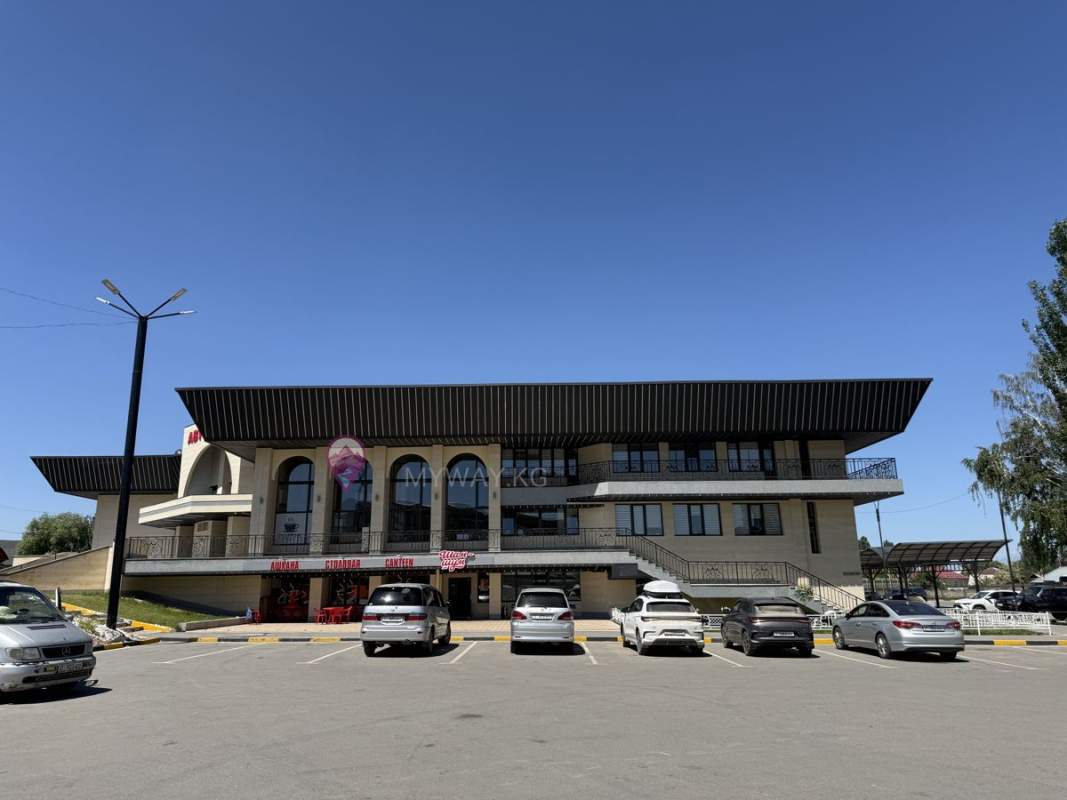
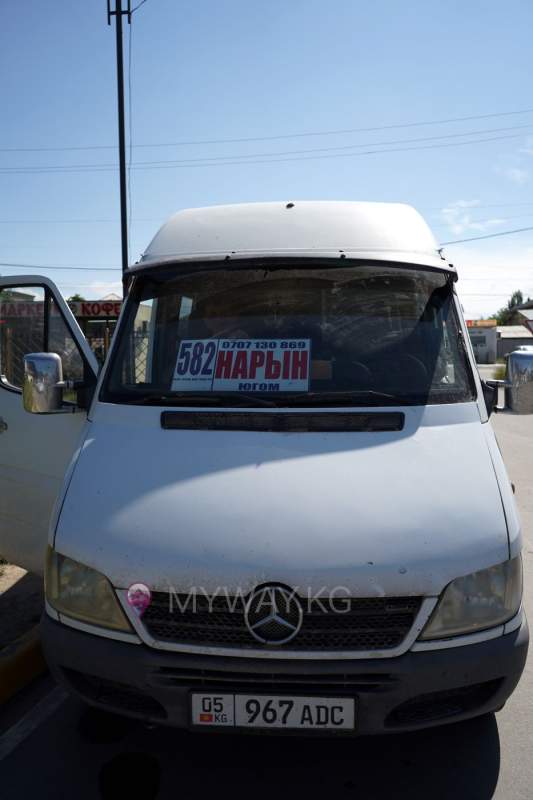
To reach the trekking hub of Kochkor, you will use the direct Marshrutka #582 (which is ultimately bound for Naryn). Boarding takes place strictly at the Karakol Avtovokzaly (Main Bus Station) on the northern side of town.
⚠️ Crucial Booking Insider Tip: You will not find Kochkor or Naryn listed on the digital or printed destination boards at the station. Don't let this confuse you. Walk straight inside the main building to the official ticket window (Kassa) and directly ask the lady for a ticket to Naryn/Kochkor for either the 8:00 AM or 9:00 AM departure. The ticket price is 750 KGS.
Two Morning Options: North vs. South Shore
You have two distinct morning departures, each tracing a different side of Lake Issyk-Kul before merging on the road to Kochkor:
- The 8:00 AM Bus (North Shore): Takes the smoothly paved, faster northern highway through Cholpon-Ata.
- The 9:00 AM Bus (South Shore): Takes the rugged, incredibly scenic southern route. Keep in mind: Because of major ongoing highway reconstruction on the south shore, this version is slower and bumpier.
The ride to Kochkor takes about 4 to 5 hours across roughly 260 km, crossing from the lake basin into the high-altitude interior valleys.
The Return Journey: A Bit More Complicated
Getting back from Kochkor to Karakol directly on the #582 can be tricky. Because this minibus originates all the way back in Naryn, it is very often completely full by the time it passes through Kochkor.
If you cannot secure a seat on the passing direct bus, use our bulletproof Two-Step Backup Plan:
- Step 1: Hop on any frequent local marshrutka from the Kochkor station heading to Balykchy.
- Step 2: Once you arrive at the Balykchy bus station, seamlessly transfer to Marshrutka #300, which runs constantly back to Karakol along the north shore.
What to See & Do in Kochkor
- Song-Kul Lake Gateway: Kochkor is the primary launchpad for treks and horse riding tours up to the high-alpine pastures of Song-Kul Lake (3,016m).
- Shyrdak Felt Workshops: The town is a major artisan hub. You can visit local women's cooperatives to see how traditional, heavily pattern-coded Kyrgyz felt carpets are made.