Kyrgyz cuisine does not try to impress with complexity.
Its uniqueness lies in meat simmered for hours in a large kazan. In dough rolled thin by a host's palms. In the smoke of a tandoor. In the sour tang of kymyz. In salty kurut. In fresh dzhusai. In noodles pulled by hand. In plov cooked over open flames for hours.
In Kyrgyzstan, food is intimately bound to lifestyle. A nomadic heritage nurtured a deep love for meat, dairy, dough, and simple yet remarkably filling dishes.
The country's national culinary identity arose from nomadism, yet contemporary Kyrgyz gastronomy spans far beyond nomadic heritage alone: Kyrgyz, Uzbek, Dungan, Uyghur, Kazakh, and other culinary traditions have lived side by side and intertwined here for centuries. That is why a single dastorkon can easily feature beshbarmak, plov, lagman, ashlan-fu, manty, samsa, kurut, and freshly poured kymyz all at once.
Picture a broad serving platter piled high with tender boiled meat, homemade noodles, and sliced onions braised in rich, concentrated broth. Steaming bowls of broth (chyk) sit alongside - sipped on their own between bites of meat and tender dough. This is beshbarmak: deeply satisfying, stripped of unnecessary ingredients, and wonderfully expressive when prepared with heart.
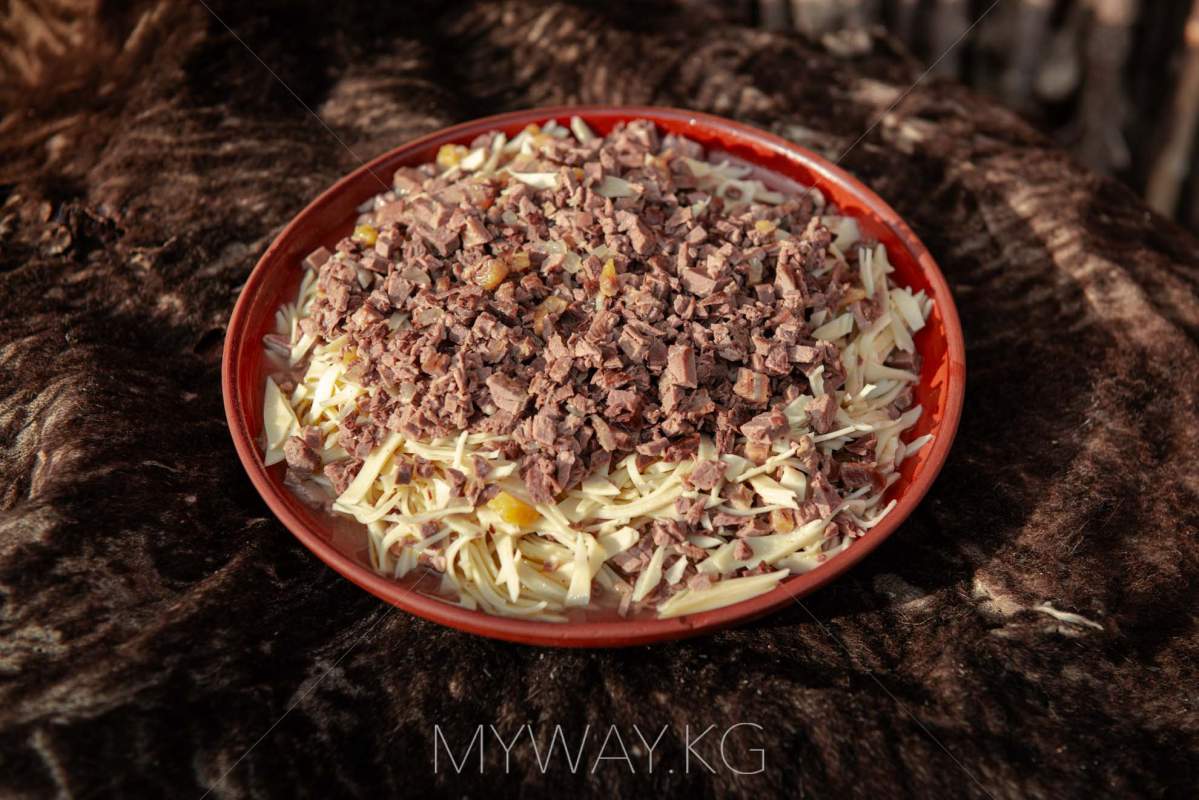
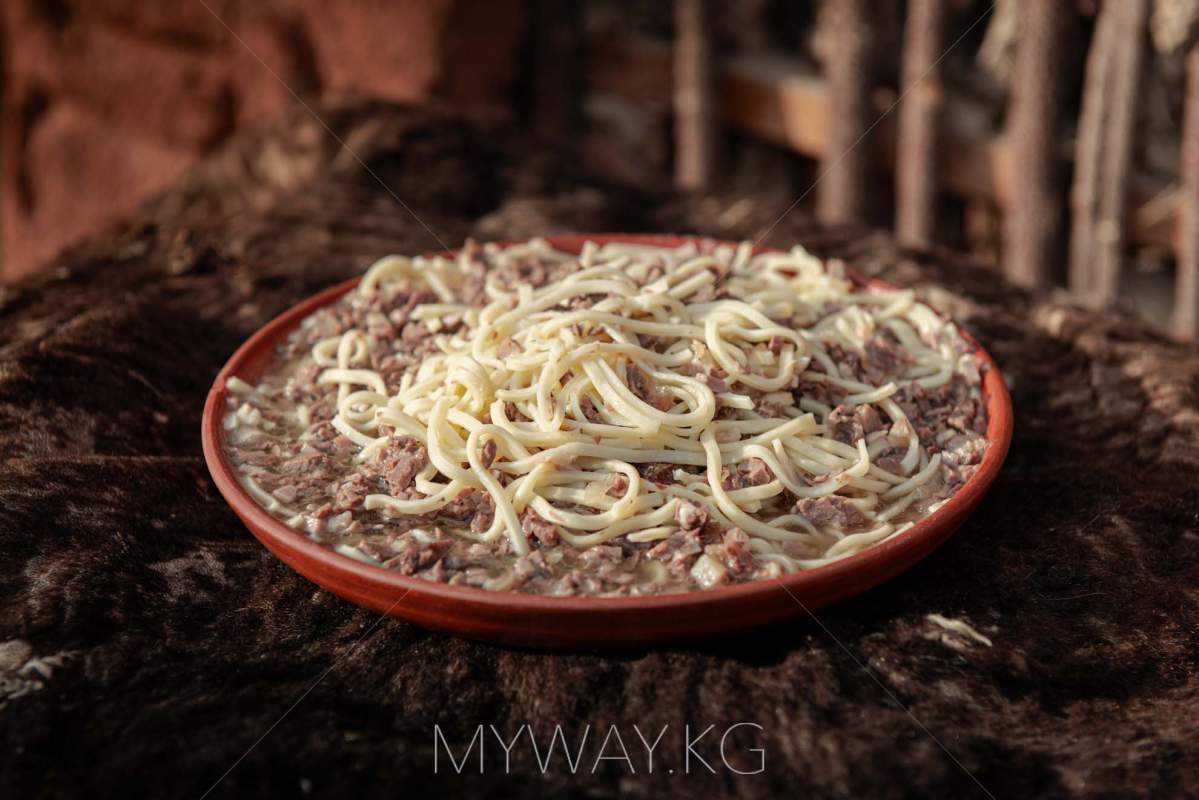
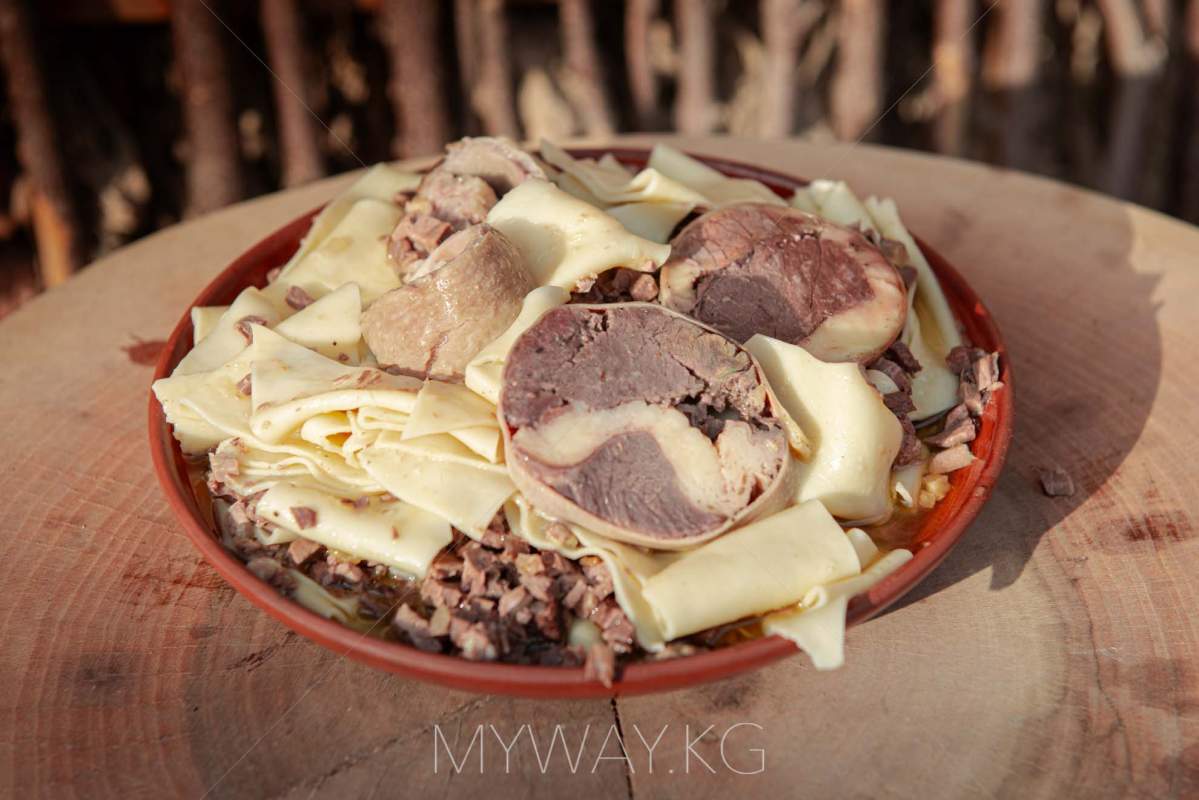
The meat - lamb, beef, or horse meat - is boiled slowly until it falls apart with ease. The dough is mixed from flour, water, and occasionally an egg, rolled paper-thin, and hand-cut into ribbons. Onions are softened gently in simmering broth until tender and fragrant. In family gatherings and holiday traditions, beshbarmak stands as a symbol of hospitality:a centerpiece for a bustling communal table, never merely a quick lunch. Seek it out in traditional cafes across Bishkek or Naryn, or enjoy it in a family-run guesthouse that follows an heirloom recipe.
There is a scent that triggers an instant appetite: hot glowing coals, woodsmoke, and meat sizzling directly over the fire.In Kyrgyzstan, shashlyk is not just popular street food; it is an entire ritual: selecting a prime cut, waiting for that golden-brown crust, and eating the first piping-hot piece straight off the skewer.
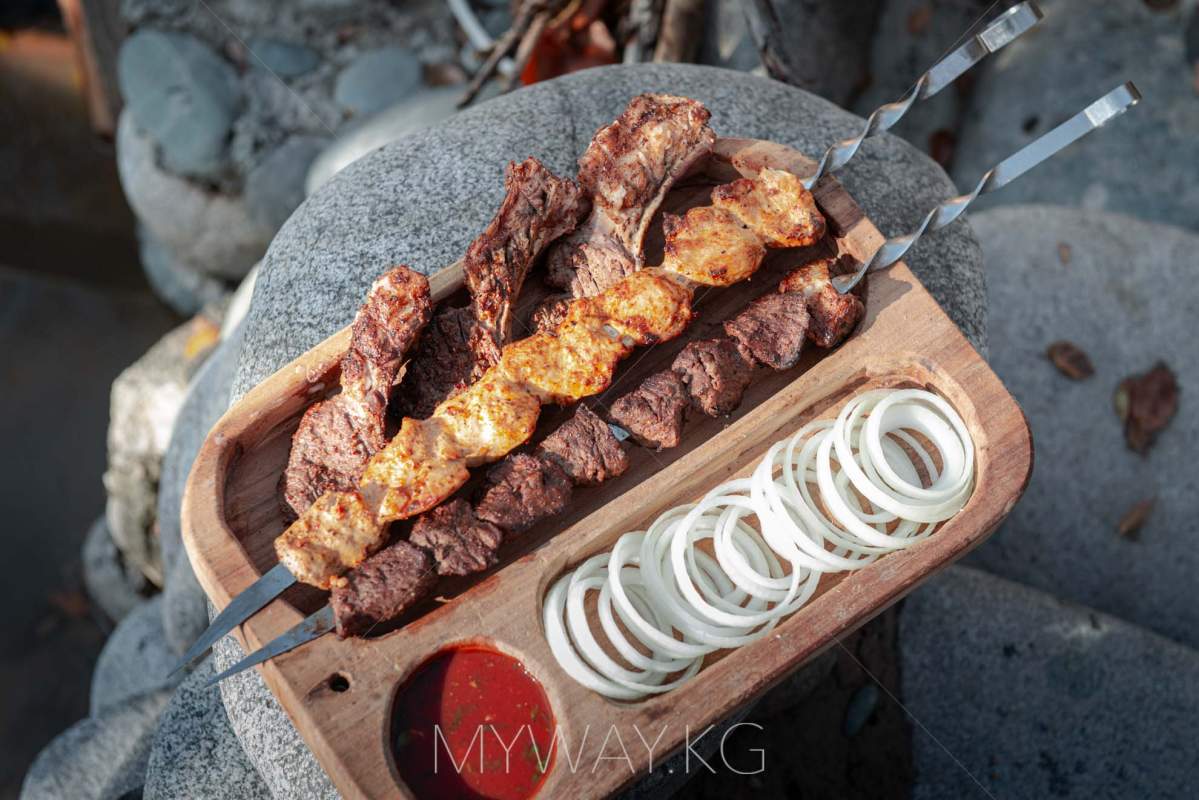
Shashlyk is most often made from lamb or beef, cut into uniform cubes and marinated simply with onions, salt, and spices. High-quality meat requires no heavy marinades: what matters is freshness and the grill master's ability to lock in juiciness under a crisp exterior. Skewers come served with raw sliced onions, fresh herbs, vegetables, and warm flatbread - a straightforward combination that never fails.
Order shashlyk at open-grill cafes or establishments where skewers are grilled in plain sight. Keep an eye out for spots packed with local diners: a steady stream of patrons guarantees high turnover and embers that never cool down.
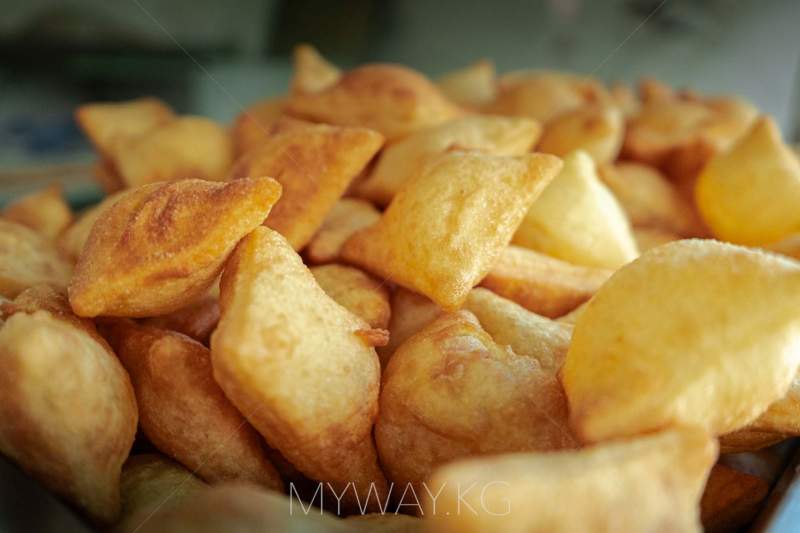
Boorsooks look deceivingly simple: bite-sized pieces of yeast dough fried until golden brown. Crispy on the outside, soft and airy on the inside, stopping after just one is nearly impossible. This is doubly true when served alongside hot tea, thick homemade kaymak (clotted cream), or mountain honey.
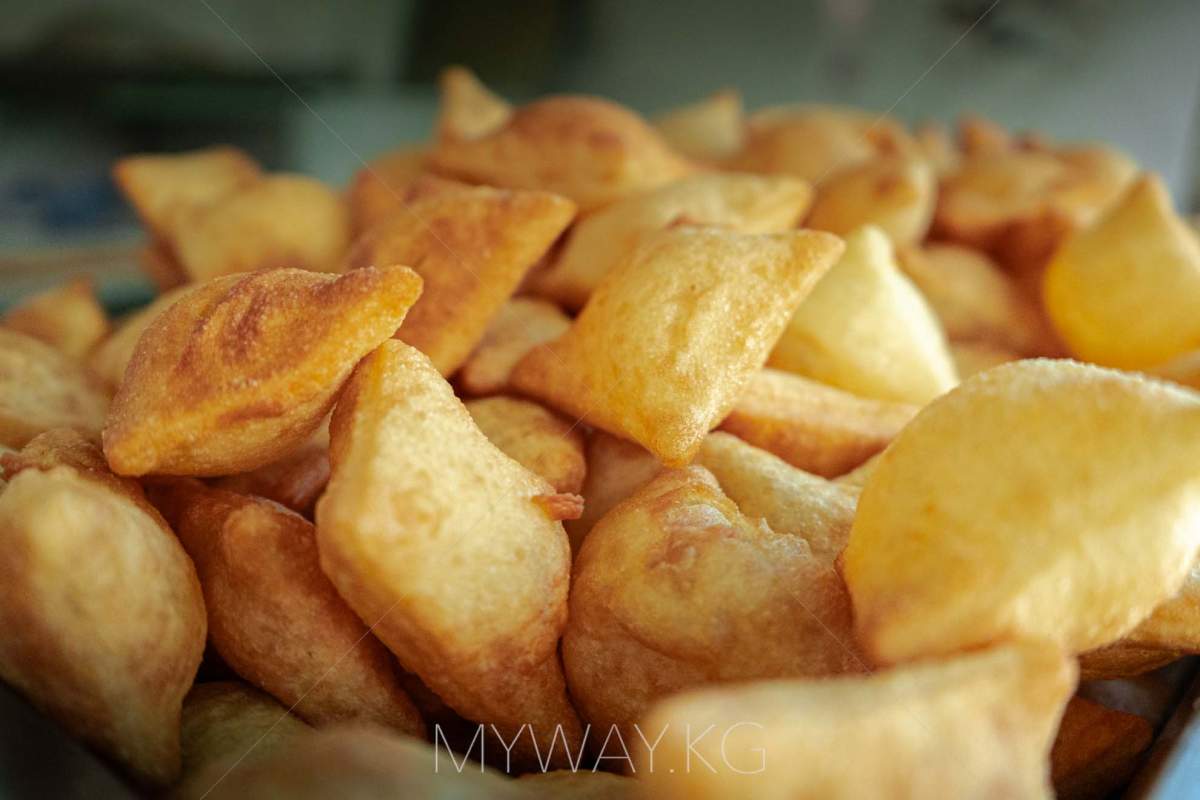
Boorsooks are made from dough cut into small squares or diamonds and deep-fried in hot oil. They are present at family feasts, weddings, guest welcomes, and everyday household tea breaks. Rather than a standalone dish, boorsook is an indispensable element of the Kyrgyz dastorkon - the table where food, conversation, and time are shared. Sample them at a countryside guesthouse, during breakfast at a yurt camp, or buy them fresh at morning bazaars. The best ones are enjoyed while still warm to the touch.
Plov must be experienced where it is prepared in a massive cast-iron kazan without shortcuts. First, the oil heats up; next, meat and onions are seared to a deep color, followed by julienned carrots and locally sourced rice that drinks in the rendered fat, aromatic spices, and meat juices. When the heavy lid is finally lifted, a thick cloud of steam rises, carrying the rich scent of sweet carrots, garlic, and hot rice.
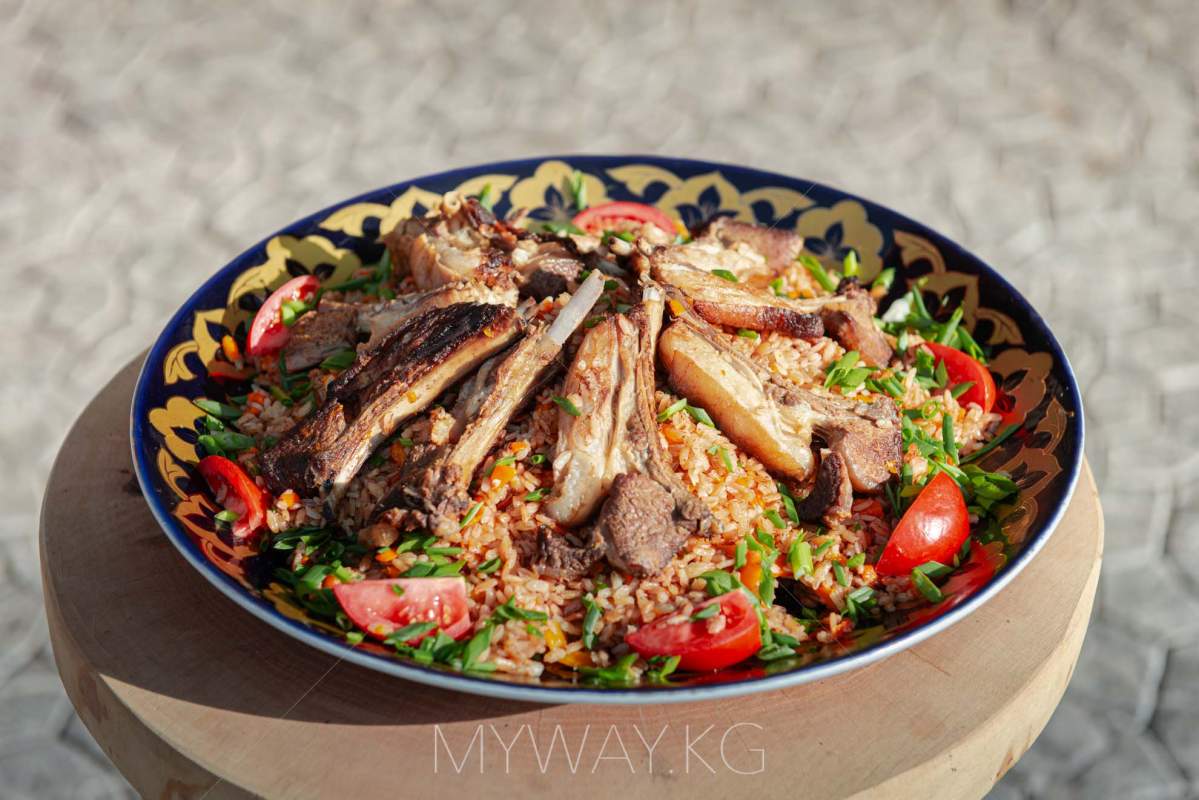
In southern Kyrgyzstan, plov is the backbone of local gastronomic life, with the ancient city of Osh regarded as one of Central Asia's premier plov destinations. Nearby Uzgen also deserves attention, world-renowned for its prized reddish-brown rice. While plov marks large family weddings and gatherings, dedicated plov centers (choykhonas) and bazaars dish it out daily. Arrive around midday: that is when your chances are highest of catching a steaming portion served straight from the kazan.
Manty has long been a staple of everyday meals across Kyrgyzstan. They are shaped from thinly rolled dough filled with minced meat and generous amounts of onions, then steamed in tiered metal cookers. Throughout Central Asian kitchens, variations stuffed with sweet pumpkin, wild chives (dzhusai), or potato also make frequent appearances.
The paramount secret of proper manty is the savory broth trapped inside. Each piece is hand-pleated and gently steamed.The meat is never ground into a paste; it is finely hand-chopped, tossed with diced onions, and accented with small cubes of fat. While steaming, the filling releases its natural juices, sealing them inside the delicate dough pocket. That juicy center, tender wrapper, and a touch of chili-vinegar dip elevate humble ingredients into pure culinary delight.
Manty is loved nationwide, meaning you do not have to travel to any single region to find great versions. Order them in cozy family-run diners, neighborhood canteens, and busy markets where stacked steamers run continuously.
Lagman begins with its noodles - chewy, long, and hand-pulled to hold thick sauces without losing their firm bite. In one classic style, noodles are paired with meat, seasonal vegetables, and a rich, deeply spiced gravy. In another version, they swim in a steaming, fragrant broth. If you crave intense roasted flavors, go for boso lagman - where the boiled noodles are stir-fried over high heat alongside meat, garlic, and vegetables.
Lagman is omnipresent across Kyrgyzstan, heavily influenced by traditional Uyghur and Dungan cooking techniques.Varieties differ not only in broth volume, but in noodle thickness, pulling methods, and seasoning profiles. In Bishkek and Karakol, search out dedicated Uyghur and Dungan establishments, while in the south, order lagman alongside regional specialties. Above all, never hesitate to ask your server which specific style of lagman the kitchen prepares.
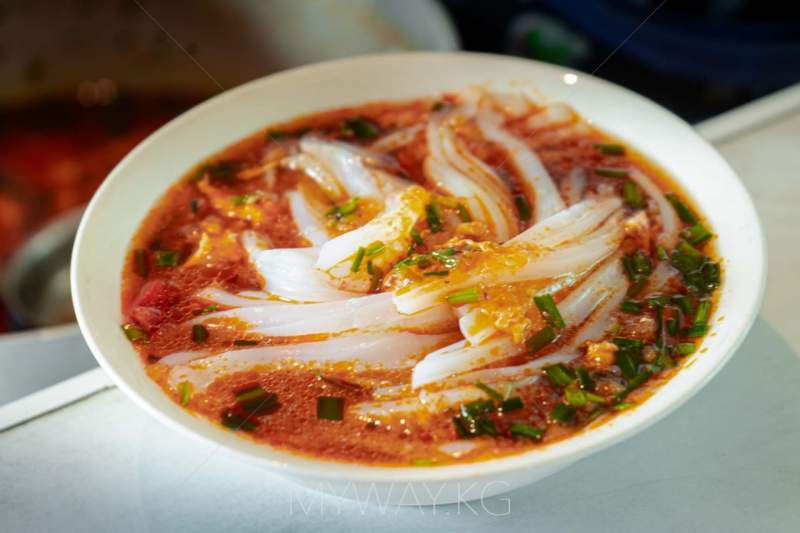
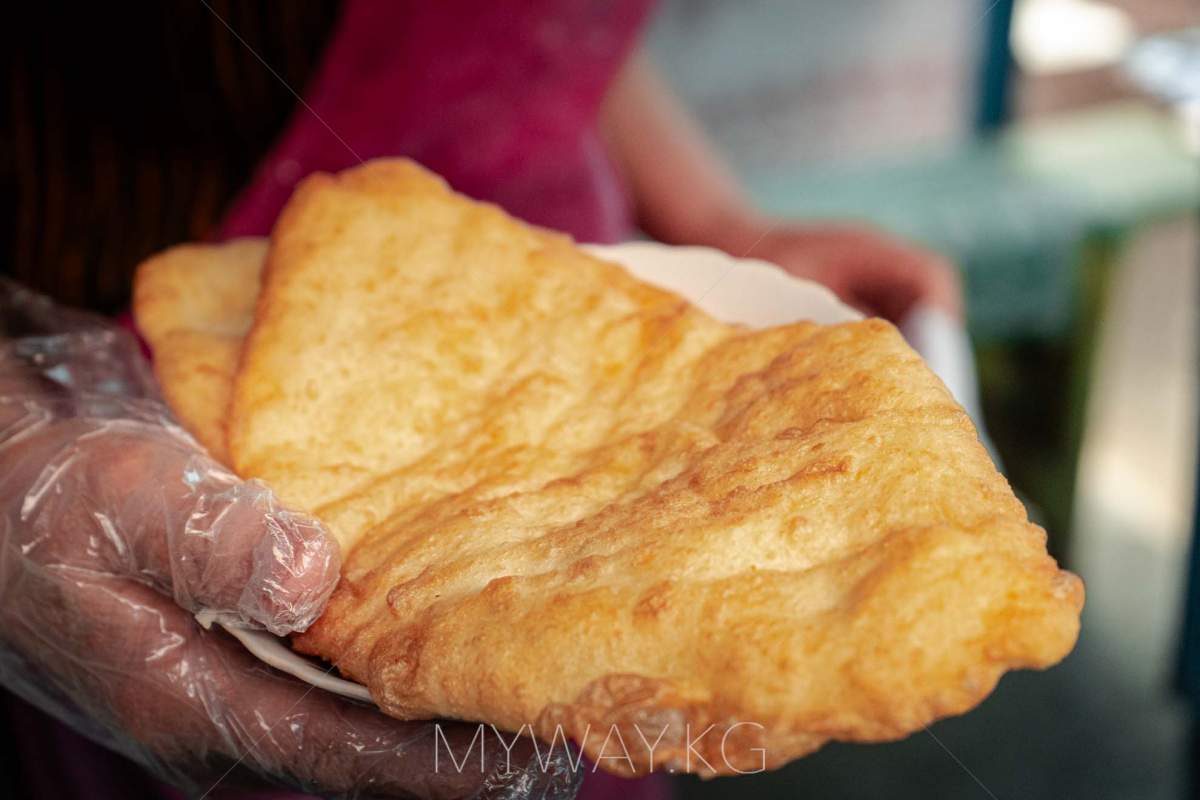
After rich meats and warm breads, ashlan-fu lands like an exhilarating surprise. It is chilled, revitalizing, tangy, and fiery all in the same mouthful. Inside the bowl, thin wheat noodles meet firm ribbons of translucent starch jelly, all dressed in a punchy sauce spiked with vinegar, minced garlic, and chili. It is routinely served with a hot deep-fried potato pirozhok on the side - providing a welcome warm contrast to buffer the chili heat between bites.
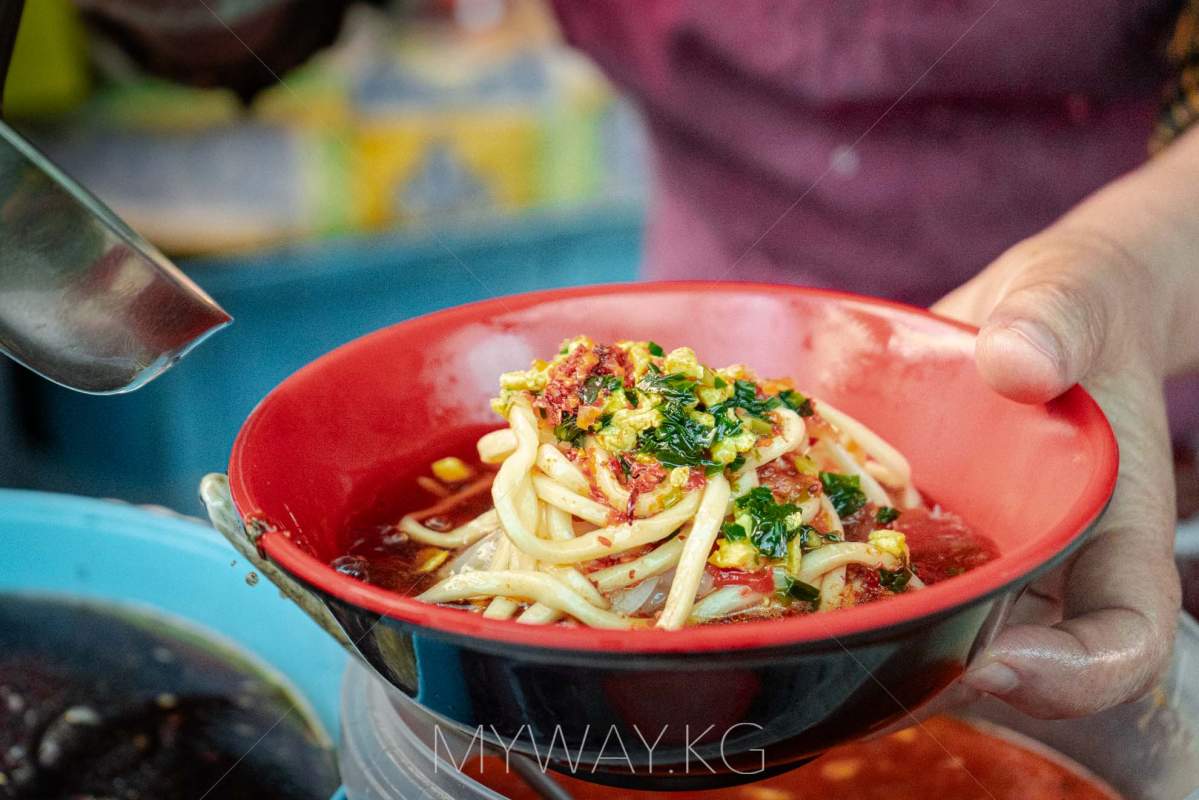
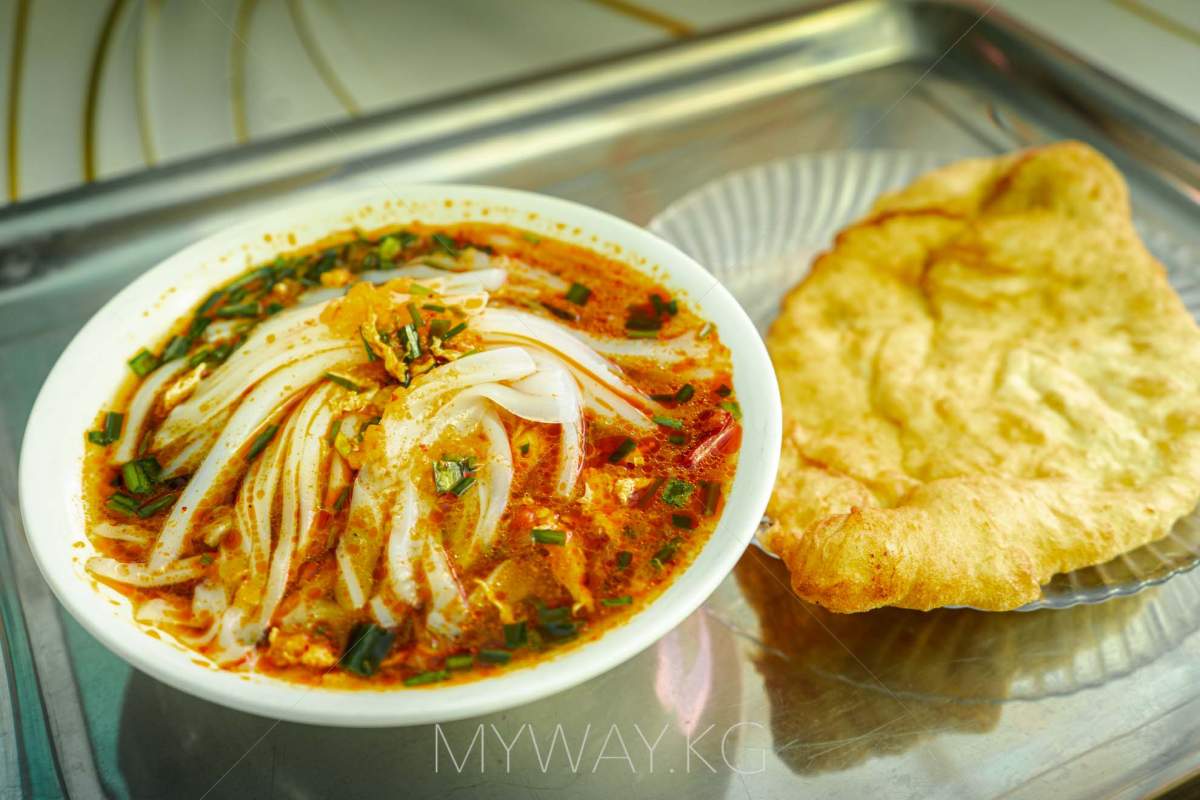
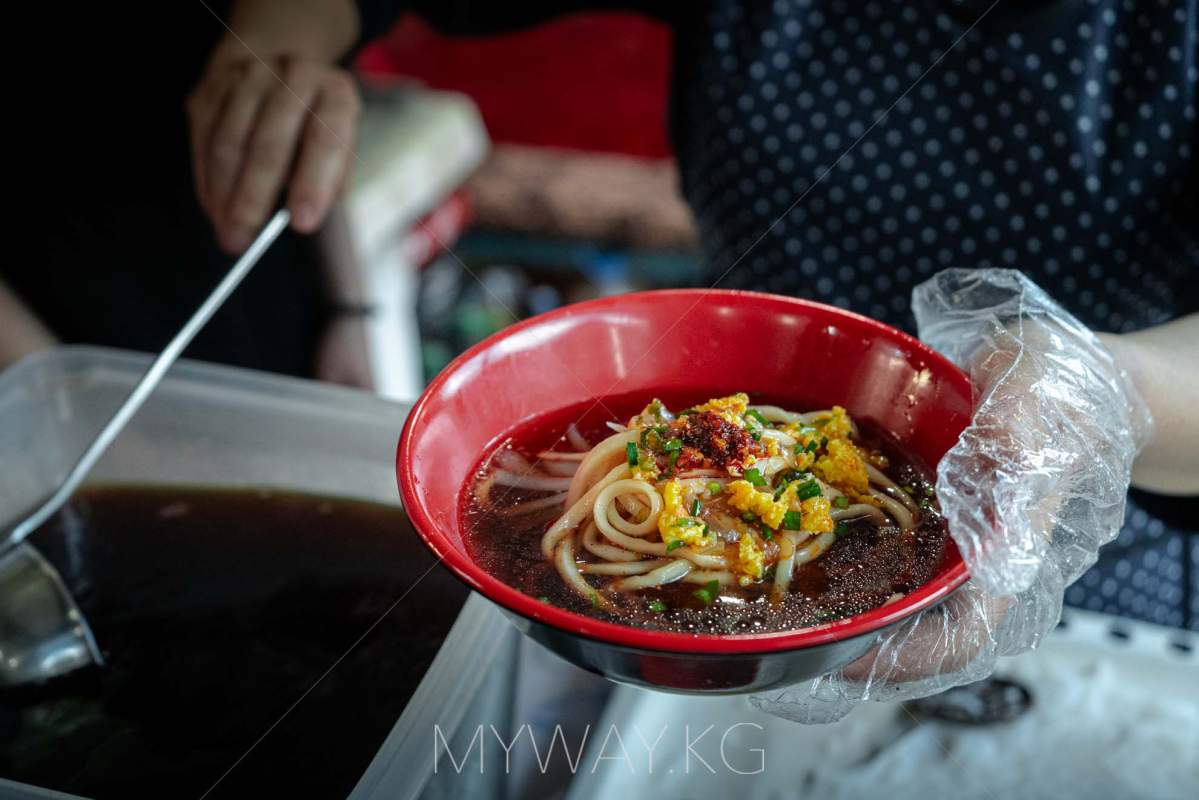
This Dungan specialty shares an unbreakable bond with the town of Karakol. Travelers head straight to the central bazaar, where dozens of stallholders dish up their own family variations, and loyal regulars return to the same counter for years. Every vendor tunes their own balance of acidity and spice, so the best approach is to sample bowls from different counters. On a warm afternoon, it stands as one of the most memorable dining moments of any trip.
Samsa is living proof that the finest culinary experience can happen right by a market stall or alongside a quiet country highway. The dough browns against the curved wall of a clay tandoor, the filling of meat and onions becomes tender and juicy, and the very first bite delivers a satisfying crunch. Fresh from the coals, samsa needs almost nothing else - save for a pot of hot tea and a moment of patience so you don't burn your tongue.
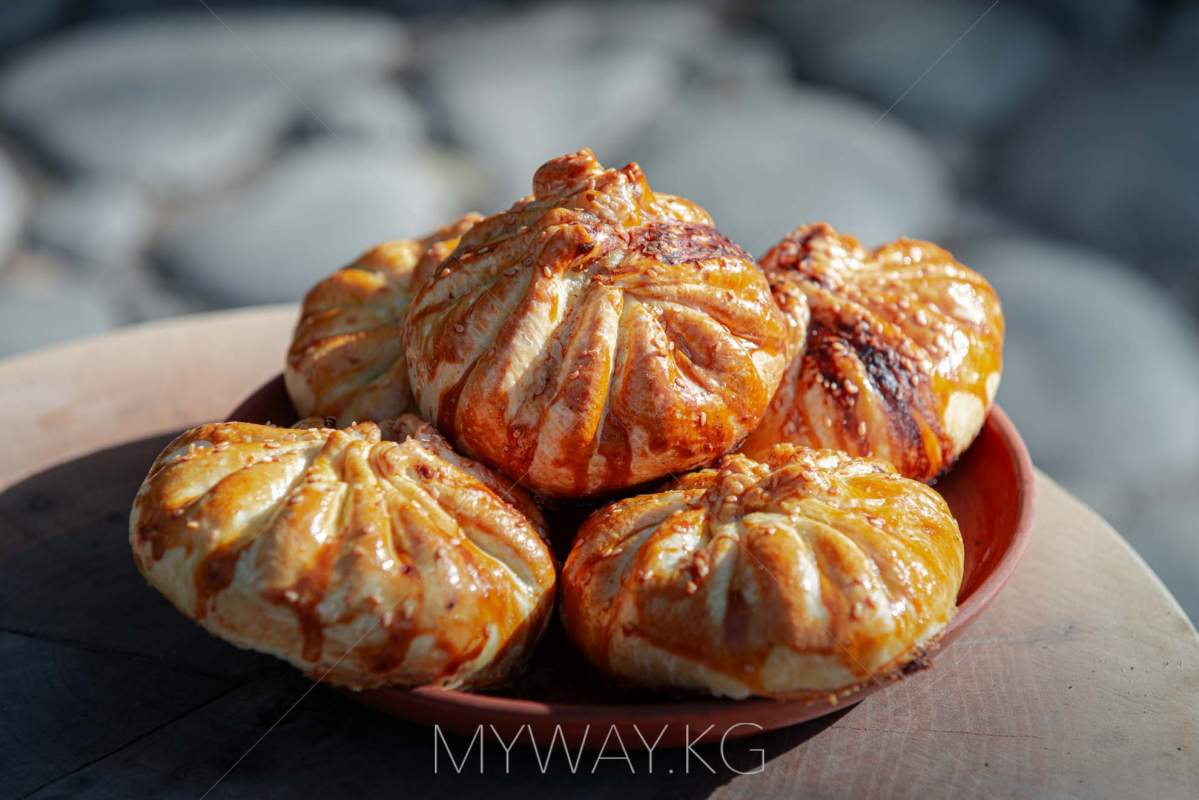
Across Kyrgyzstan, samsa comes wrapped in different styles of pastry - flaky puff dough or unleavened tandoor dough - loaded with seasoned meat, diced pumpkin, or potatoes. Uzbek culinary traditions shine through particularly well in southern regions, though steaming samsas are easy to track down everywhere. In Osh, sample tandoor samsa directly at the bazaar or from street bakeries where batches are pulled continuously. Choose stalls with rapid turnover where pastries never sit on display for long.
Following a long drive across high mountain passes, intricate sauces and fried foods are often the last things you want.What the body craves is a deep bowl of piping-hot broth, tender meat, and rustic vegetables. That is precisely what shorpo offers: a pure, comforting soup where the main star is not a cocktail of spices, but the clean, honest flavor of well-simmered meat.
Shorpo is brewed using lamb or beef simmered gently with large cuts of vegetables, most commonly potatoes and carrots.Depending on local customs, the boiled meat and clear soup may be presented together in one bowl or set out on separate plates. Shorpo is cooked across the entire country, proving especially welcome in brisk weather, after alpine hikes, or following high-altitude road trips. Enjoy it at roadside teahouses, rural family guesthouses, or yurt camps where a hot bowl pairs perfectly with panoramic mountain views.
Kattama has a genuine gift: it stops you right in your tracks before you even glance at the menu. Paper-thin layers of laminated dough, fried until golden, crackle pleasantly on the outside while staying tender and buttery within.
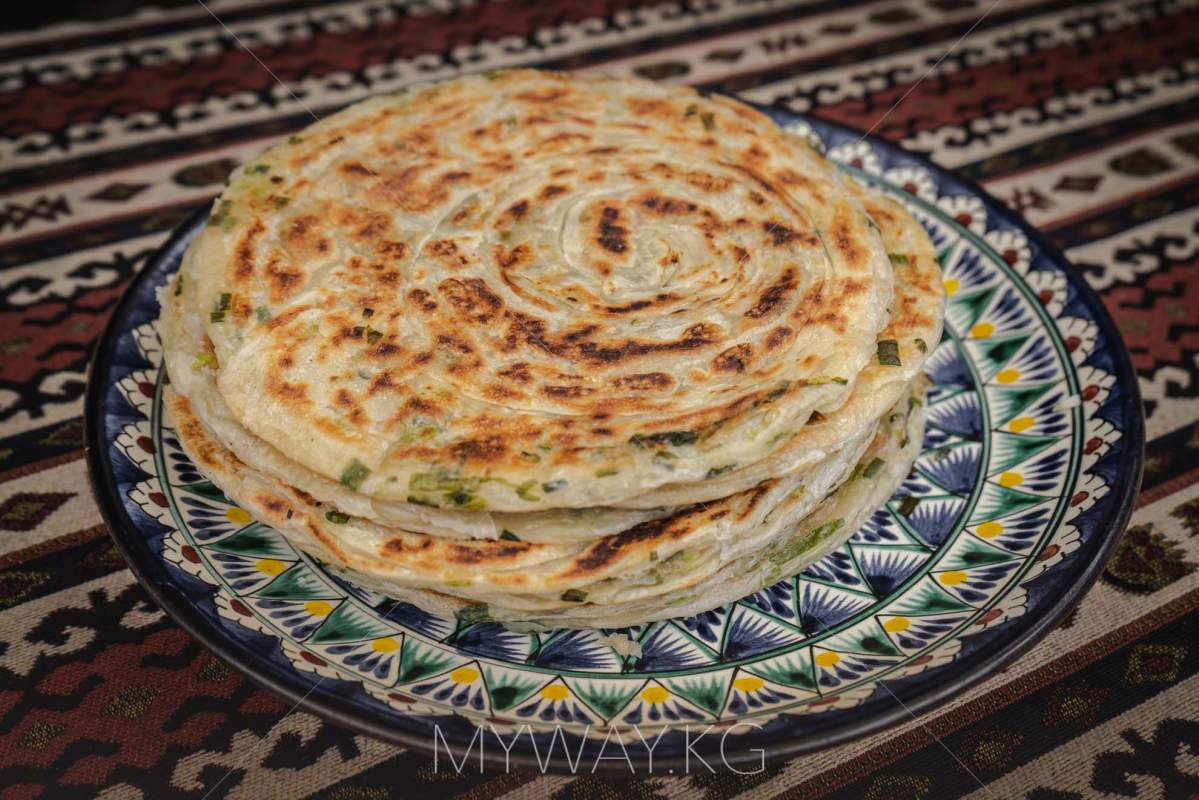
Kattama is crafted from dough rolled exceptionally thin, brushed generously with melted butter or oil, folded or coiled into spirals, and pan-fried over a flat skillet. The result is a layered, flaky flatbread, occasionally accented with chopped scallions or onion stuffing. In Kyrgyzstan, kattama is best enjoyed blistering hot straight from the pan, accompanied by hot black tea, thick clotted kaymak, or homemade berry preserves.
Look for it in morning markets, small bakeries, and roadside cafes along regional routes. The magic moment is watching the flatbread lifted off the sizzling surface before your eyes: the crust flakes under touch, the layers separate effortlessly, and the butter-rich aroma draws in every hungry traveler nearby. It is humble food made without pretense - the kind that makes you want to pull over for one more unexpected detour.
Do not miss exploring regional beverages. In summer, try kymyz - fermented mare's milk carrying a distinctive tart, smoky edge. Alongside a hearty meal or after a dusty hike, order maksym, a traditional roasted-grain brew celebrated for its thirst-quenching tang. For your first tasting, start with a small cup: the flavor and strength of traditional fermented drinks can vary considerably. If you prefer unfermented drinks, the undeniable staple remains hot tea, which accompanies both everyday roadside meals and hours-long conversations around the Kyrgyz dastorkon.
Discover more handpicked adventures and guided experiences in Kyrgyzstan