Nomadic cuisine is a distinctive world where flavor is born from simple ingredients, open fire, patience, and the skill of the cook. Meat and dairy, grain and flour were deeply prized—alongside the mastery of turning fresh meat into a hearty feast, preserving provisions for months on end, and transforming the humblest staples into genuine hospitality.
A Kyrgyz dastorkon (festive table) is impossible to imagine without a steaming bowl of shorpo, a broad platter piled with boiled meat and pasta, homemade horse-meat sausages, warm boorsooks, and bowls (piala) filled with kymyz.
Traditional cuisine took shape under the influence of pastoral herding, mountain climates, and seasonal migration rhythms. Its foundation rested on meat, dairy, and flour dishes alongside barley, wheat, millet, and other grains. At the same time, diets varied across regions, shaped by local farming traditions, neighboring cultures, and ingredient availability.
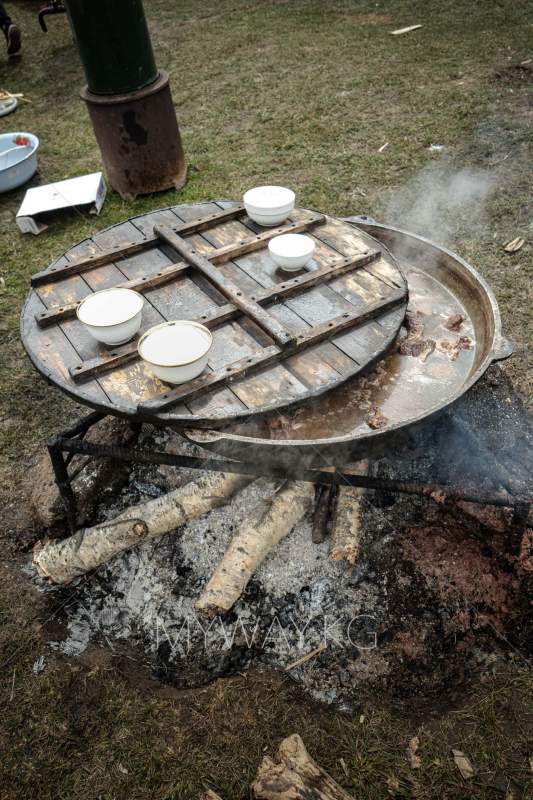
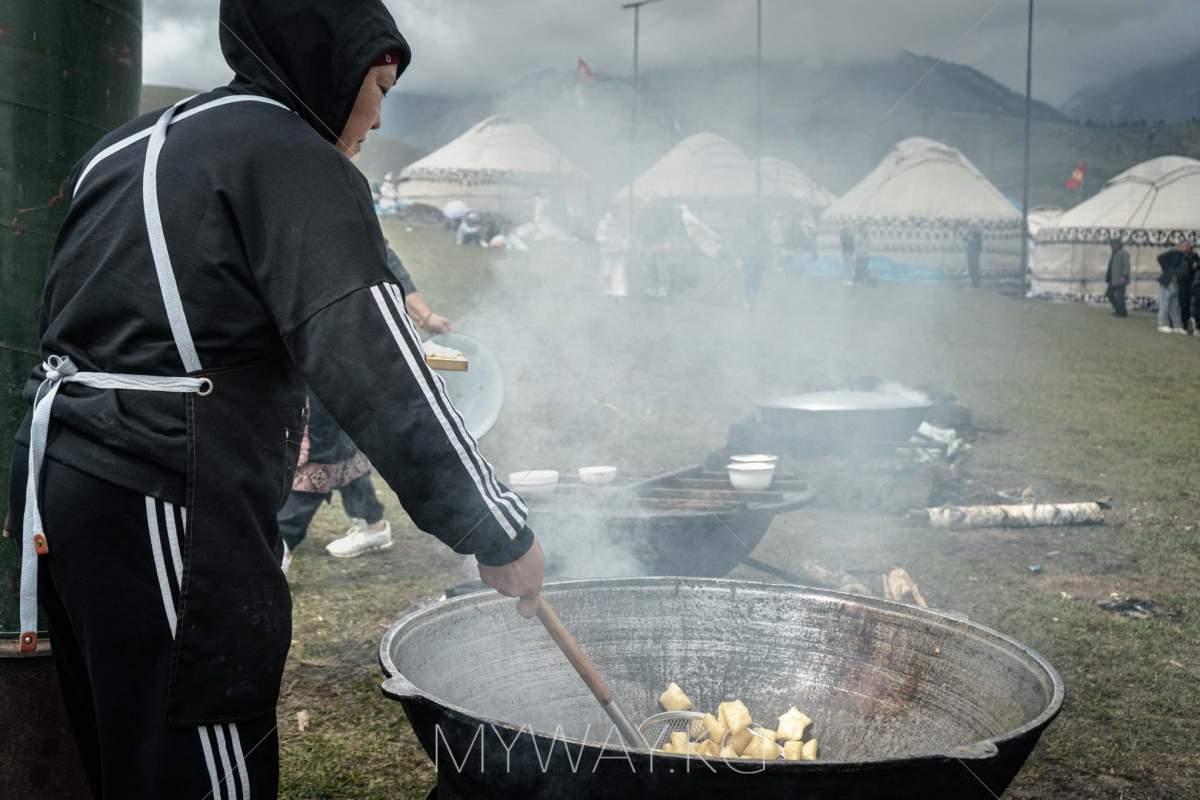
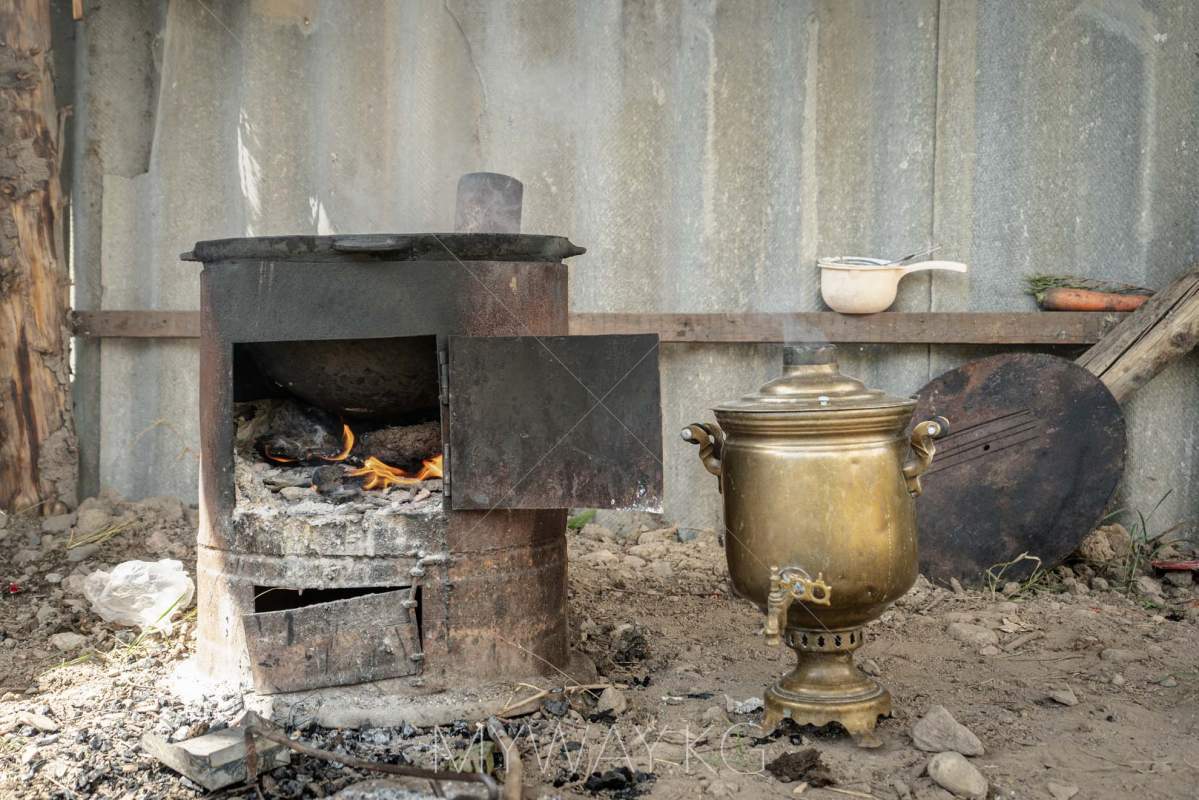
Traditional Kyrgyz cooking carries an unmistakable aroma: simmering meat, woodsmoke, fresh flatbread, and tea brewed without hurry. Fire also held a central place inside the yurt. A cast-iron cauldron (kazan) rested upon stones or a three-legged iron trivet (tulga), while the hearth itself was called ochok. Nearly every dish took shape inside the kazan—boiling meat for beshbarmak, simmering rich shorpo, searing kuurdak, baking flatbread against its hot inner walls, and frying boorsooks.
This is a journey through flavors that preserve the living history of the Kyrgyz people: from celebratory beshbarmak to rare byjy, and from tangy kymyz to humble talkan that sustained travelers on long mountain journeys.
A large platter heaped with tender boiled meat and thin squares of pasta stands as one of the most recognizable symbols of a Kyrgyz feast. Beshbarmak is made with lamb or horse meat simmered slowly until tender enough to pull apart effortlessly. Dough is rolled into thin sheets, cut into ribbons or squares, and boiled directly in the rich meat stock. The pasta is arranged across a broad platter, topped with shredded meat, and finished with chyk—a savory onion sauce simmered in hot broth.
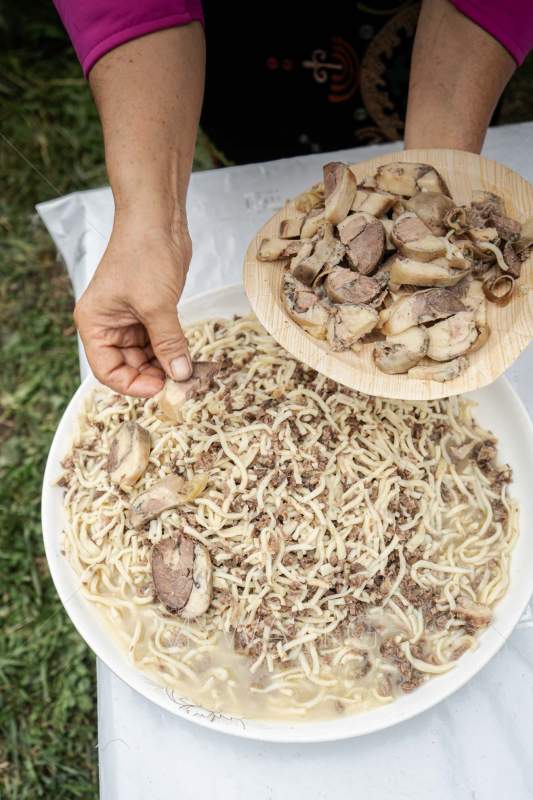
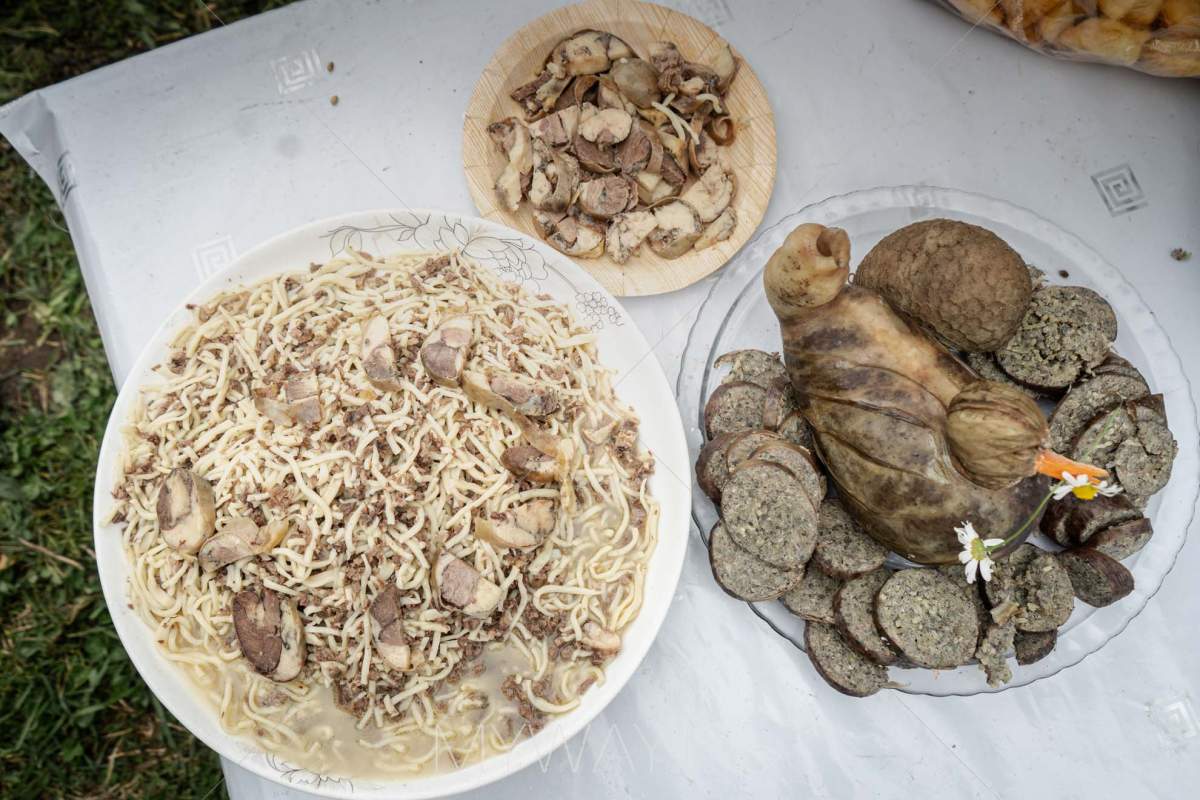
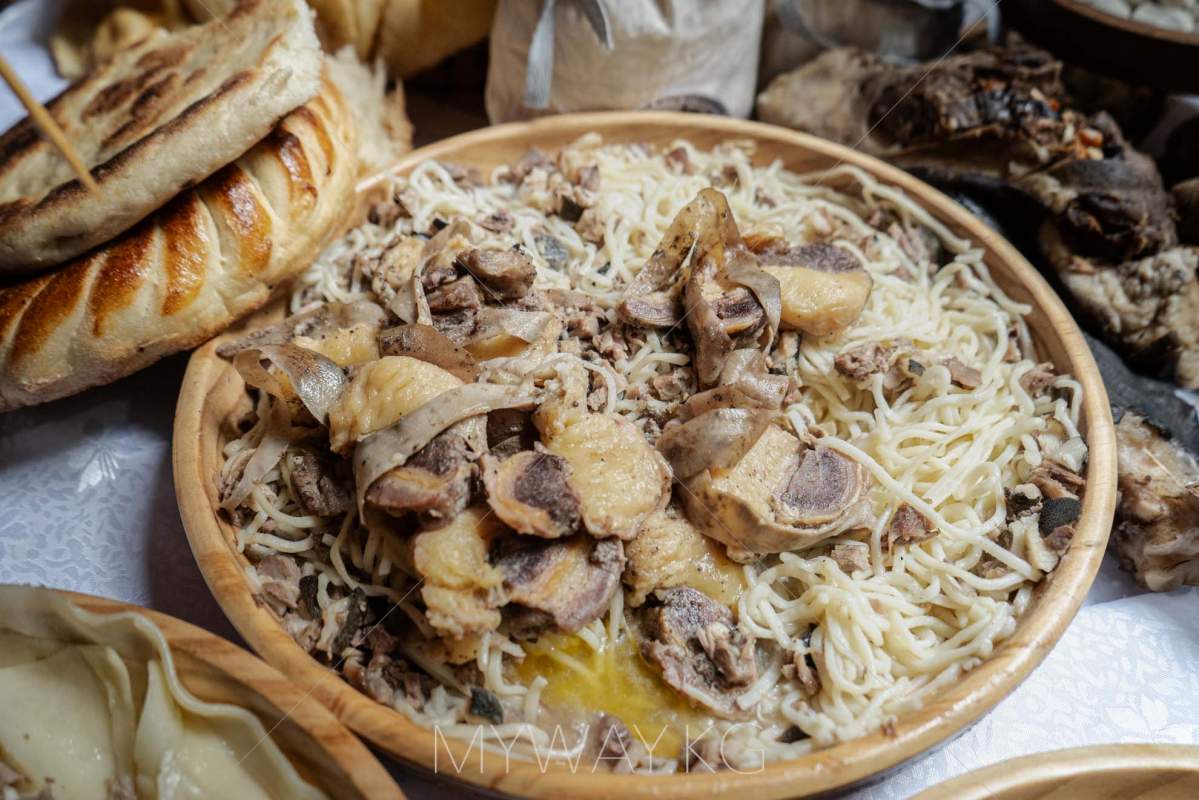
Its flavor relies on honest, expressive harmony: deeply savory meat, silky pasta, sweet braised onions, and concentrated broth. Complex sauces and heavy spices are unnecessary—meat quality and careful simmering carry the dish.
Beshbarmak is far more than food; it is an entire ritual of hospitality. Serving follows strict etiquette, with specific cuts distributed according to age, standing, and family ties. Prized cuts are presented to honored guests, turning the meal into an expression of respect and generosity.
While beshbarmak belongs to large family banquets, kuurdak evokes sizzling, freshly cooked food enjoyed straight from the kazan. Bite-sized pieces of lamb are pan-fried in rendered fat alongside liver and organ meats. Later adaptations introduced onions and potatoes, though exact ingredients and proportions vary from household to household.
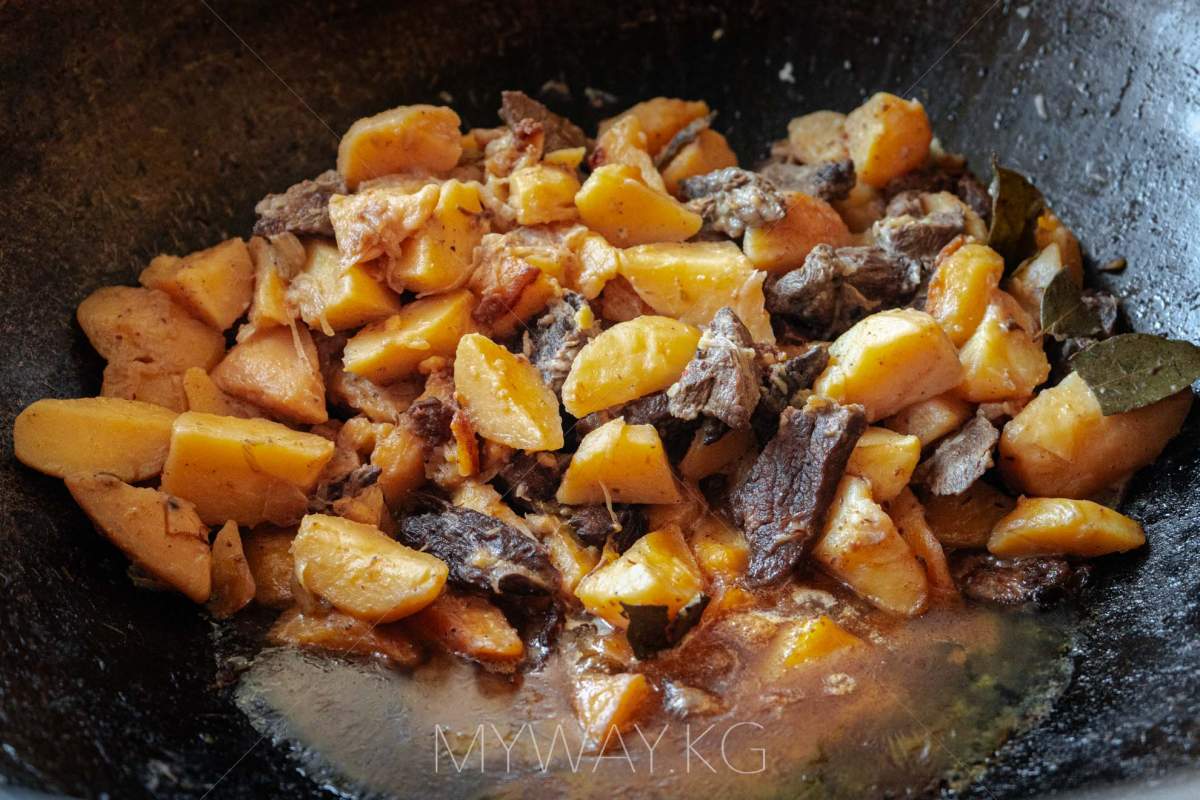
Historically, kuurdak served as the quickest way to prepare fresh meat immediately after slaughtering livestock, making use of tender meat cuts, liver, tail fat (kurdyuk), and occasionally kidneys and lungs. Modern versions frequently add sliced onions, potatoes, and gentle spices.
Proper kuurdak boasts a golden seared crust, tender meat, sweet caramelized onions, potatoes soaked in savory juices, and subtle seasoning that enhances rather than masks the meat. Served with warm flatbread, fresh herbs, and a bowl of hot tea,it makes a complete, deeply satisfying meal.
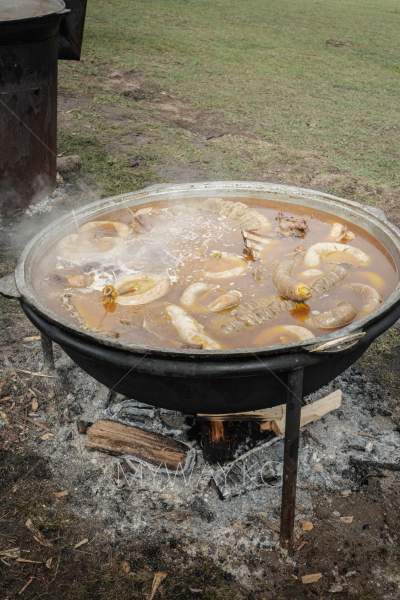
Chuchuk is one of the best-known cured meat delicacies in Kyrgyz cuisine—a rich horse-meat sausage stuffed into natural horse-intestine casings. Diced meat is mixed with strips of fat, salt, and spices, packed into cleaned casings, and boiled until tender. The result is a firm, juicy sausage with the distinctive richness of horse meat.
Horse meat occupied a revered place in traditional diets, and specific cuts carried symbolic status at the table. Honored guests were served ucha (rump), kabyrga (ribs), jal (neck fat beneath the mane), and chuchuk. Thus, sausage-making functioned both as a preservation method and a festive delicacy.
Chuchuk is served sliced into thin rounds revealing marbled meat and fat, delivering a deep, mildly spiced flavor. It shines on a cold meat platter alongside warm flatbread and crisp fresh vegetables.
Some traditional dishes appear less frequently on everyday menus today, yet old nomadic cooking is incomplete without them. Byjy is one such culinary heirloom—a traditional stuffed sausage made from lamb offal immediately after slaughter.The filling typically combines minced liver, meat, internal fat, rice, onions, spices, and fresh blood packed into carefully cleaned casings and simmered until cooked through.
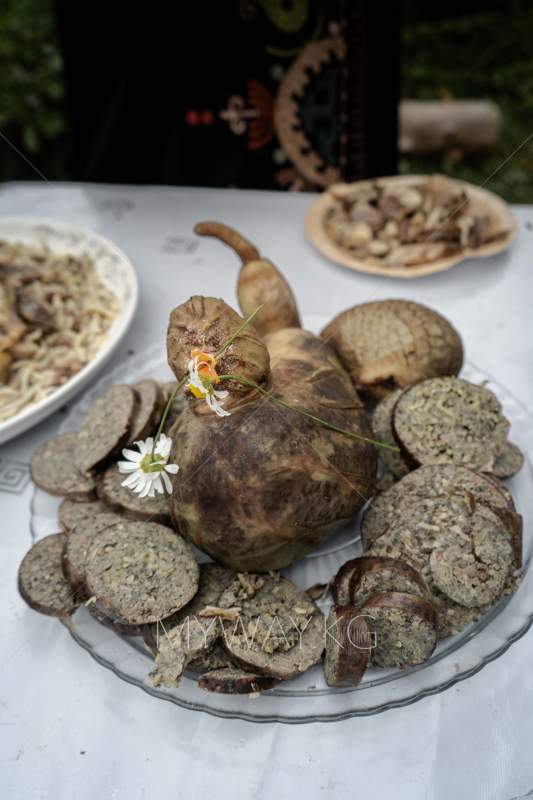
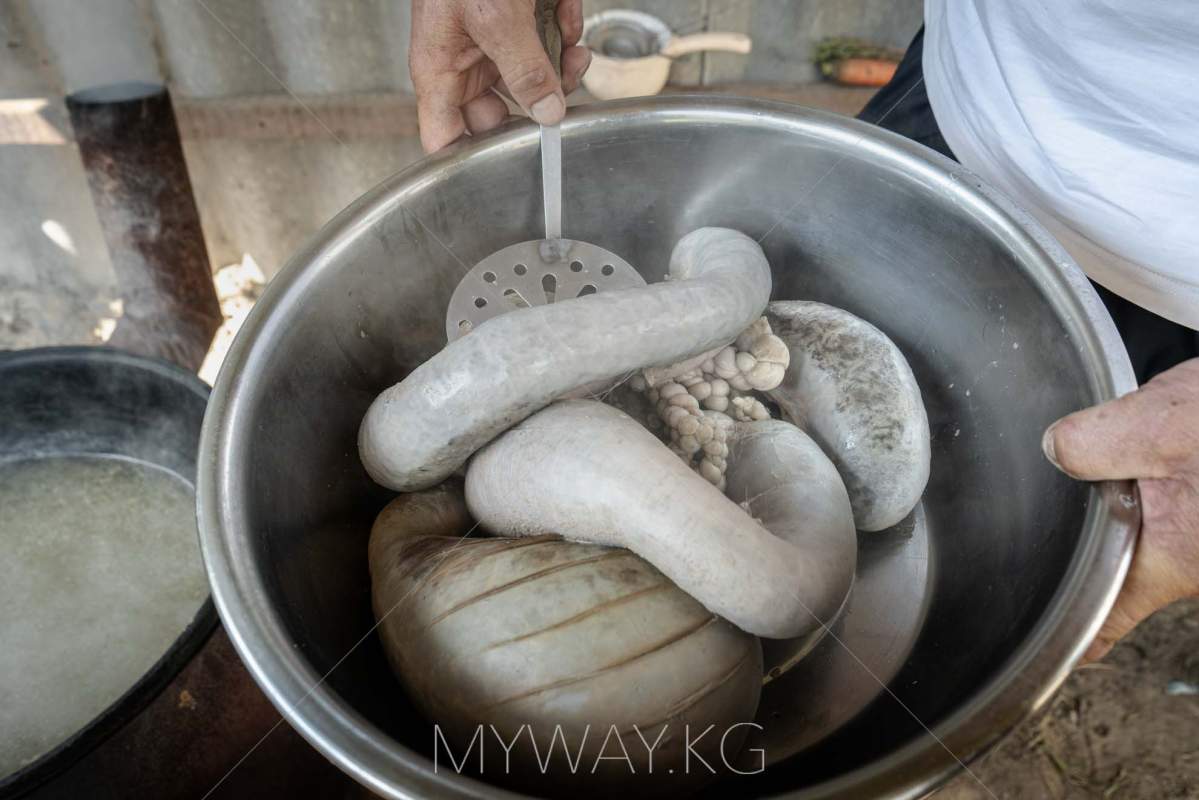
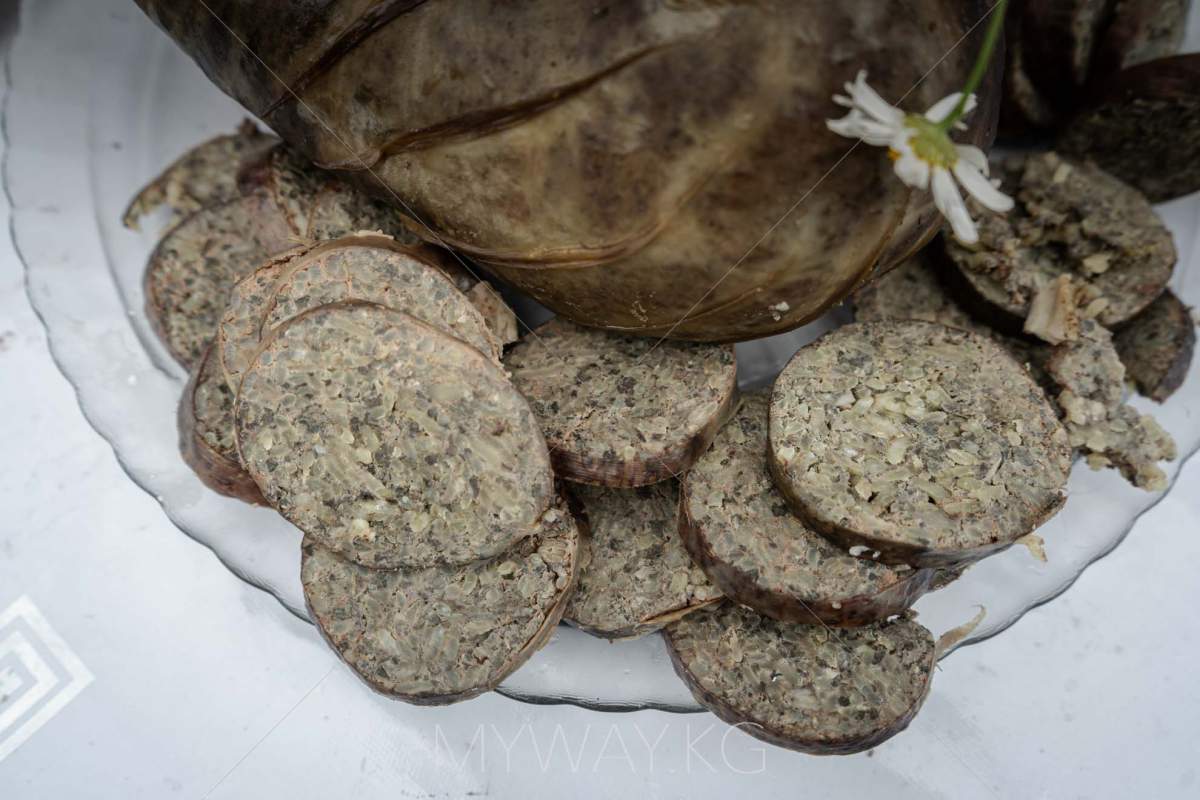
Sliced into thick rounds, cooked byjy offers a dense, juicy, deeply savory bite: liver and meat provide richness, fat keeps the filling tender, and rice adds pleasant texture. Some regional cooks lightly pan-fry the slices after boiling. It is a dish well worth seeking out for travelers eager to discover rare home-style traditions beyond standard restaurant menus.
An unusual offal specialty rarely seen in modern cafes, olobo showcases the resourcefulness of nomadic kitchens. Whole lamb lungs are carefully filled with fresh milk mixed with clarified butter (sary mai) and gently boiled in water. The finished dish has a remarkably delicate, custard-like texture and mild creamy flavor—proving how traditional cooks transformed every part of an animal into a distinct delicacy.
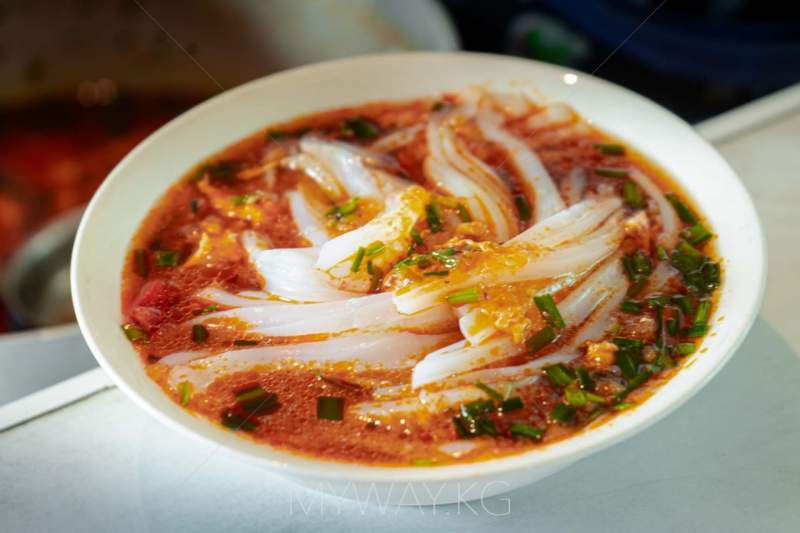
Shorpo is a hot meat soup especially welcome on brisk days after long mountain drives or alpine hikes. Its foundation is lamb simmered slowly in water until fall-apart tender, often joined by large cuts of onion, potato, and carrot. Above all,the soul of the dish lies in the broth itself—clear or lightly enriched with fat, fragrant, and deeply savory.
Unlike complex stews, shorpo needs very few ingredients. Flavor develops through slow simmering and quality meat.Served piping hot with generous chunks of lamb and fresh herbs, it warms the body and underscores the central role of nourishing broths in nomadic nutrition.
Boorsooks are small squares or diamonds of yeast or leavened dough deep-fried in hot oil until golden brown—airy and soft on the inside with a delicate crisp crust. Piled high on a platter at festive gatherings and served alongside hot tea,thick kaymak, honey, or jam, boorsook has long stood as an essential emblem of Kyrgyz hospitality.
In nomadic diets, grain mattered just as much as meat and dairy. Barley, wheat, millet, and corn were turned into porridges, soups, and beverages. One of the most practical staples was talkan—roasted grain ground into coarse flour.Lightweight, compact, and shelf-stable, talkan formed the base for instant nourishing meals: stirred into fermented dairy,blended into drinks, or eaten mixed with butter and honey.
Grains also anchored everyday comfort foods:
Often, grains were roasted, ground, or boiled first and then combined with airan, fresh milk, or hot meat broth—producing filling meals from minimal ingredients.
Grains yielded not only solid food, but beloved traditional drinks. Jarma and maksym are refreshing, lightly tangy grain beverages brewed from roasted or cracked cereals, water, and starter culture. Depending on preparation, they range from light and thirst-quenching to thick and sustaining.
Bozo is a thicker fermented grain beverage crafted from millet, corn, barley, or wheat combined with sprouted malt (ugut). Natural fermentation creates a pleasant tartness and mild effervescence with a low alcohol content. Together, these drinks demonstrate how nomads transformed simple cereals into everything from dry travel rations to cooling summer tonics and warming winter brews.
Kymyz is the most iconic drink of Kyrgyz pastoral life. Made from mare's milk, it is soured and fermented inside a traditional smoked horsehide churn (sabaa) or wooden vessel, agitated regularly with a wooden paddle (bishkek) to guide fermentation and build its signature character.
Well-crafted kymyz has a fresh lactic aroma, gentle natural fizz, and crisp tang—ranging from mild and creamy to bold and sharply fermented depending on pasture grasses, starter culture, and aging time. Closely tied to summer jailoomigrations when herds graze high mountain meadows, kymyz is shared fresh in bowls with guests as the quintessential taste of Kyrgyzstan's highlands.
Kurut consists of small dried balls or discs made from strained sour milk (süzmö). Salted, hand-shaped, and sun-dried,kurut keeps for months without refrigeration.
Varieties range from soft and crumbly to rock-hard, mildly tart to intensely salty. Travelers snack on it directly, dissolve it in warm water to create an instant savory drink, or crumble it into soups. Lightweight, compact, and nutrient-dense, kurutexemplifies nomadic ingenuity—converting perishable summer milk into durable rations for mountain trails and winter months.
In traditional pastoral households, fresh milk was rarely left unprocessed; it was carefully transformed into rich, lasting dairy staples:
In Kyrgyz tradition, tea could easily become a sustaining meal in a bowl. Kuurma tea is prepared by roasting wheat flour or talkan in butter or rendered fat before whisking in brewed tea, milk, and sometimes a pinch of salt or cream. The result is a thick, velvety drink with a warm, toasted nutty aroma—hearty enough to replace breakfast on cold mornings.
Similarly, aktagan tea combines strong brewed tea with milk, butter, sour cream, and salt—creating a rich, savory,warming beverage perfectly suited to pastoral life and long days outdoors in the mountain air.
Discover more handpicked adventures and guided experiences in Kyrgyzstan