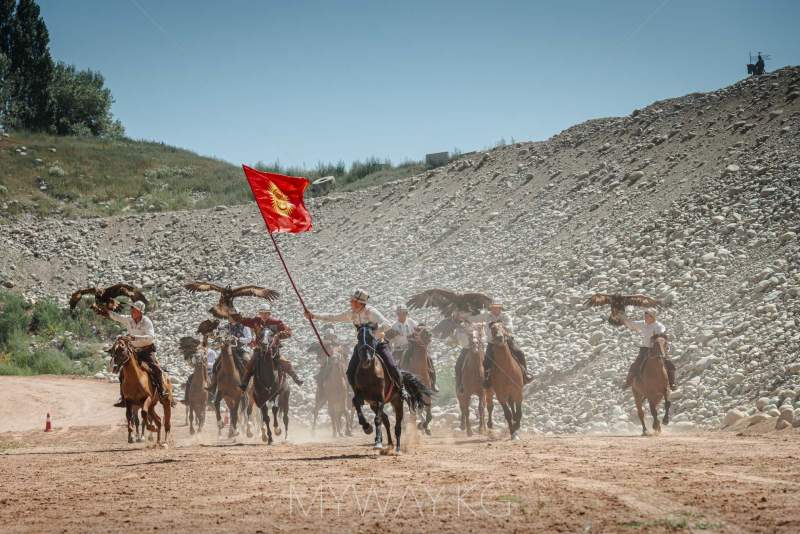
On the southern shore of Lake Issyk-Kul, where the Teskey Ala-Too mountains rise behind lush green pastures, stands a place where Kyrgyzstan’s traditional culture is not merely explained to visitors—it unfolds live before their eyes. A hunting horn echoes across the valley, a golden eagle soars above the steppe, a sleek taigan hound races across the field,and mounted archers demonstrate remarkable precision. This is the Salbuurun Festival—an event born from the ancient art of Kyrgyz nomadic hunting.
Today, Salbuurun unites sport, ethno-culture, music, handicrafts, and authentic travel experiences. Yet at its core lies not a staged performance, but a living tradition of nomadic society: hunting with birds of prey, hunting with taigansighthounds, and traditional archery. Together, these three disciplines form the Salbuurun ethno-triathlon. In 2012,Salbuurun was officially recognized as a national sport of Kyrgyzstan, and in 2016 it entered the competitive program of the World Nomad Games.
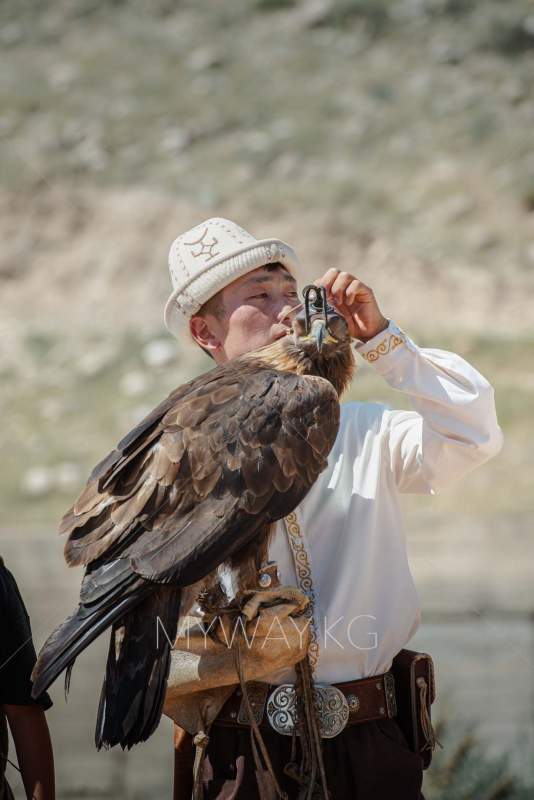
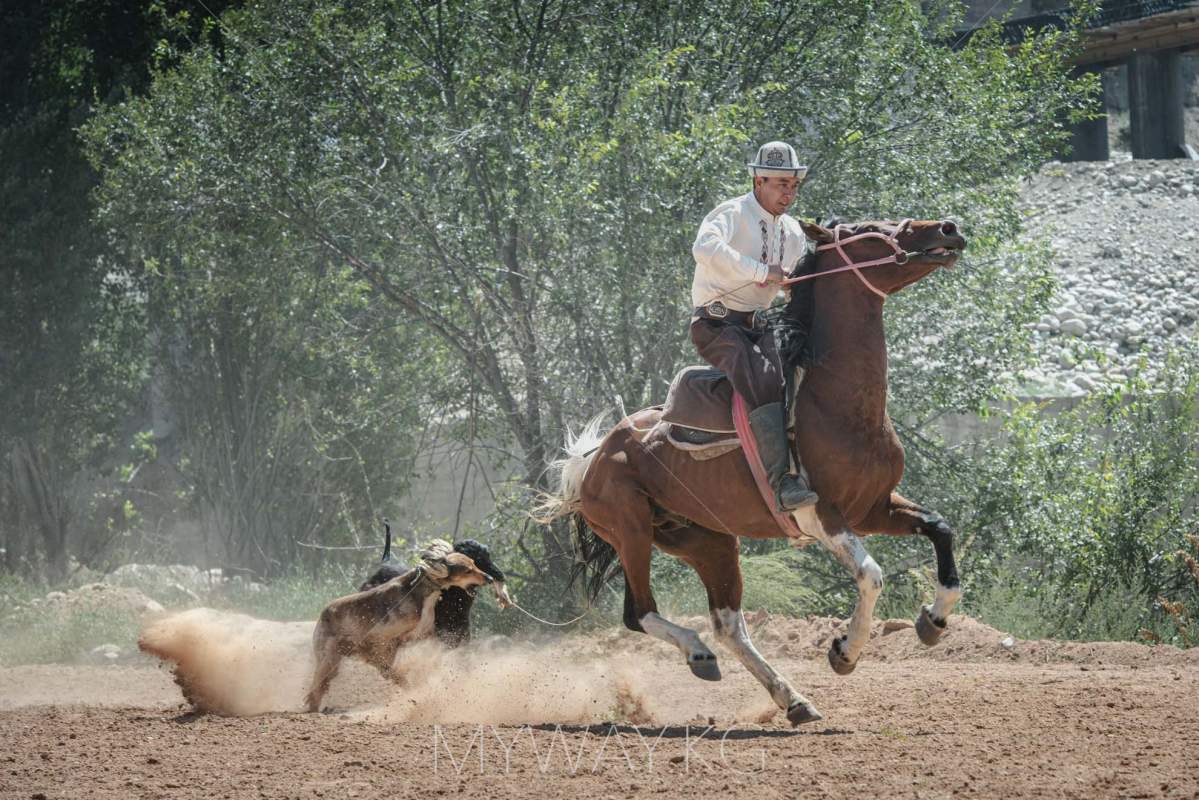
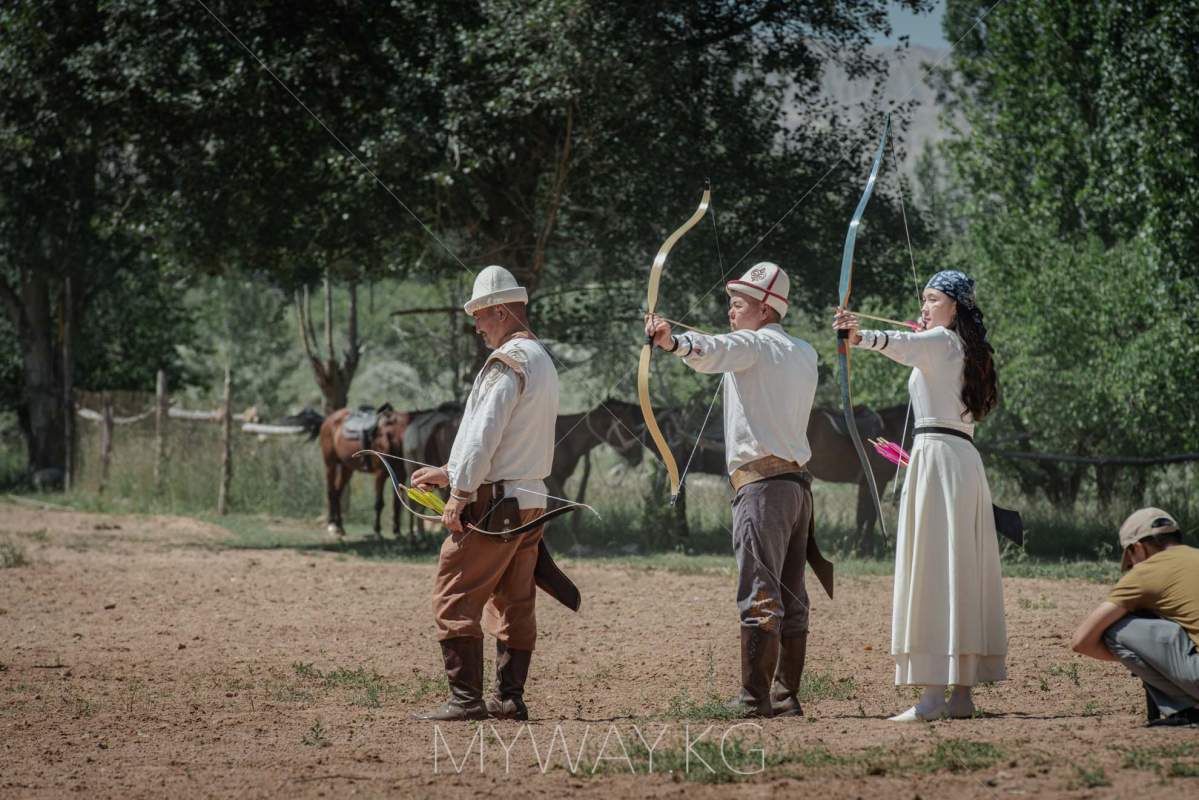
Today, the word salbuurun denotes both traditional hunting mastery and the sporting and cultural movement built around it. In Kyrgyz nomadic heritage, hunting was integral to survival: birds of prey, hunting dogs, bows, and horses helped secure food, protect livestock herds, and sustain life across rugged mountain pastures. A skilled hunter had to harmonize with several forces of nature simultaneously—reading the behavior of a raptor, training a hound, and mastering both horse and bow.
The modern history of the festival began in 2006, when the first national festival took place in the Ton District. It was initiated by Almaz Akunov—a native of Bokonbayevo who later became founder and president of the Salbuurun Federation. His vision was to bring together practitioners from every branch of traditional hunting: eagle hunters (berkutchi), taigan breeders, and traditional archers. In 2010, the movement was formally established as the Salbuurun Federation.
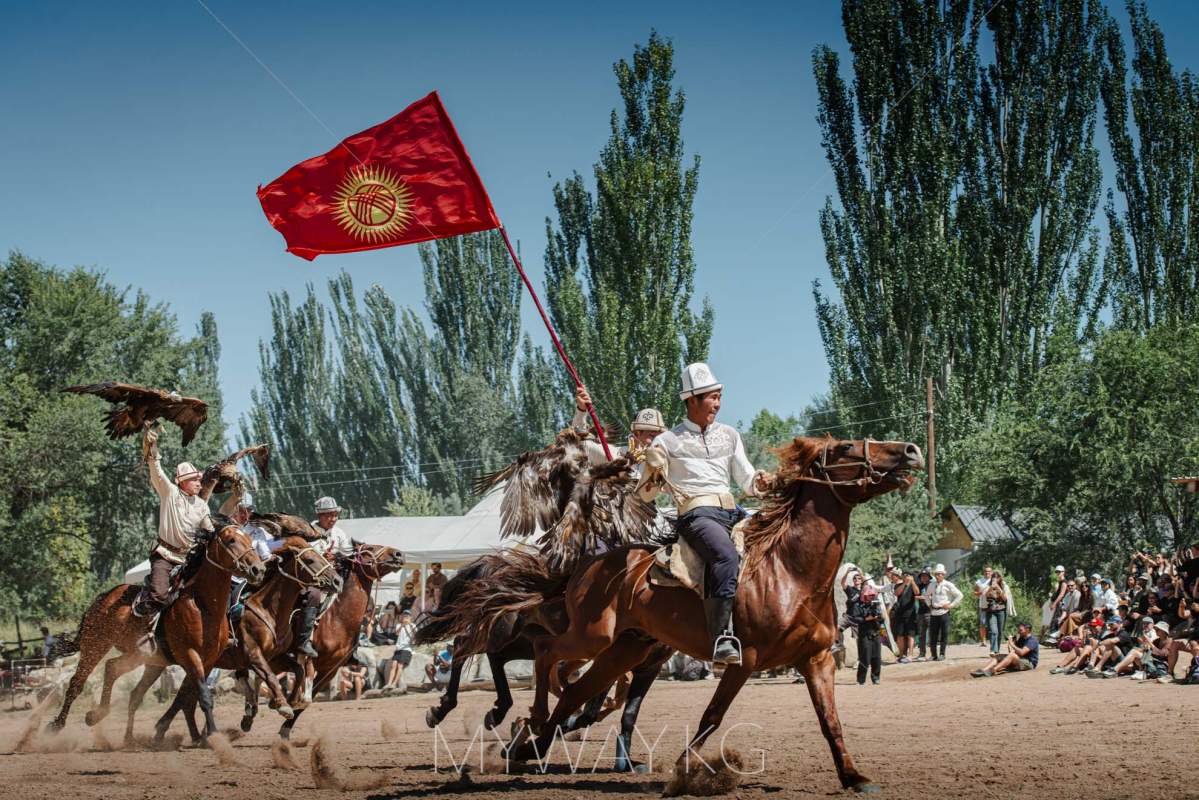
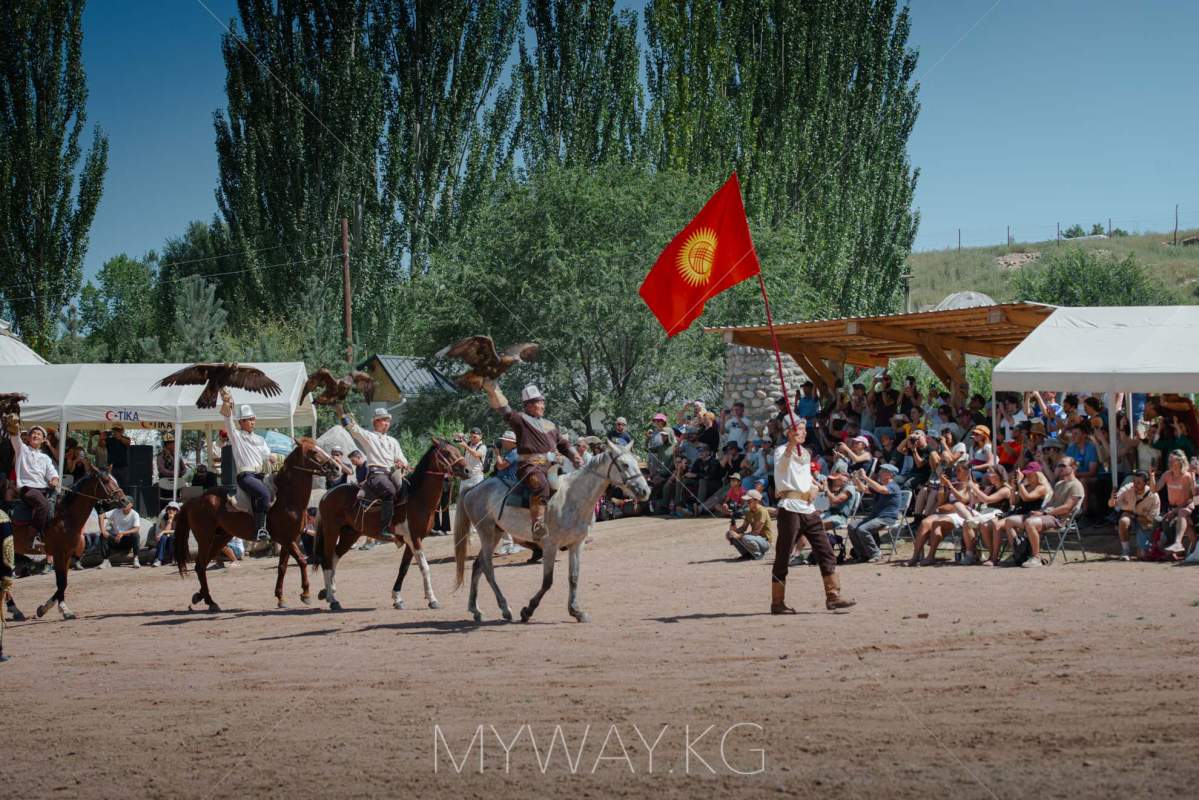
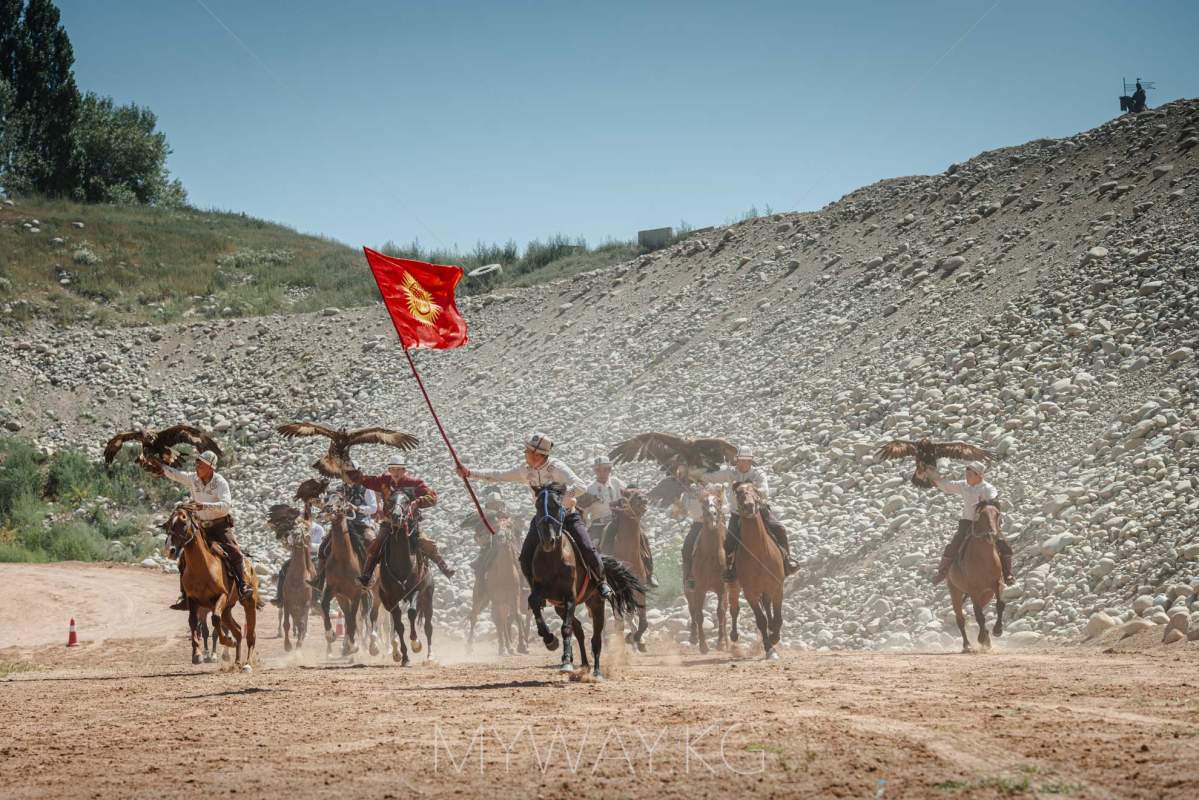
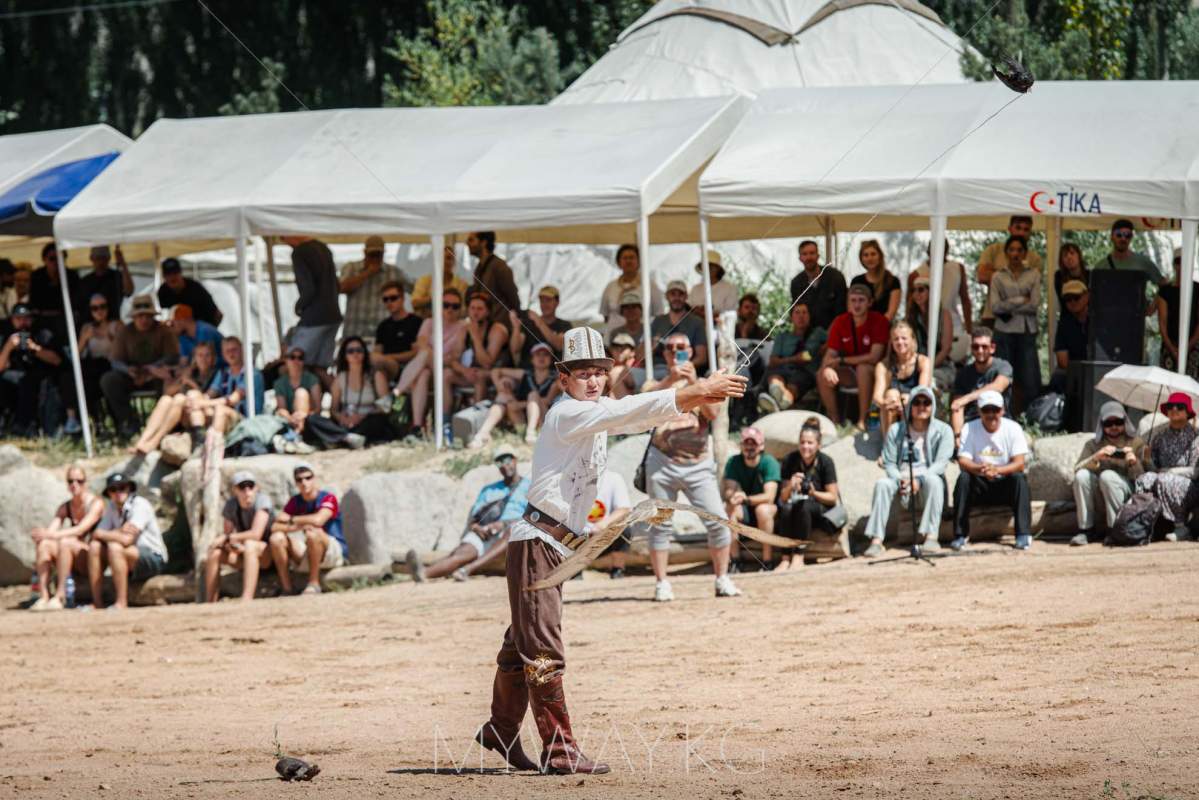
Over time, the gathering evolved from a competition among enthusiasts into a prominent cultural event. The federation began hosting tournaments across different regions of the country, while top athletes went on to represent Kyrgyzstan on the international stage. Today, the organization defines three core missions for Salbuurun: preserving cultural traditions,developing ethno-sports, and promoting sustainable tourism in Kyrgyzstan.
One of the primary homes of Salbuurun is the village of Bokonbayevo in the Ton District of the Issyk-Kul Region.Situated along the southern shore of Lake Issyk-Kul—between sparkling waters and towering peaks—this area has preserved pastoral herding and hunting traditions with remarkable vitality.
Here lies the Salbuurun-Ordo Ethno-Center, an open-air venue closely tied to the federation's ongoing work and live demonstrations of traditional hunting.
At the same time, Salbuurun is not confined to a single location. Throughout its history, federation competitions and gatherings have taken place across Kyrgyzstan—from Issyk-Kul to Naryn, Talas, and the Chüy Valley. Still, Bokonbayevo remains one of the primary centers of this heritage and its modern homeland.
The setting itself shapes how visitors experience the festival. Rather than a concert hall or a museum where heritage sits behind glass, open pastures framed by mountains and lake become a natural arena for riders, birds, and hounds.
The centerpiece of Salbuurun is a live showcase of the three pillars of traditional hunting:
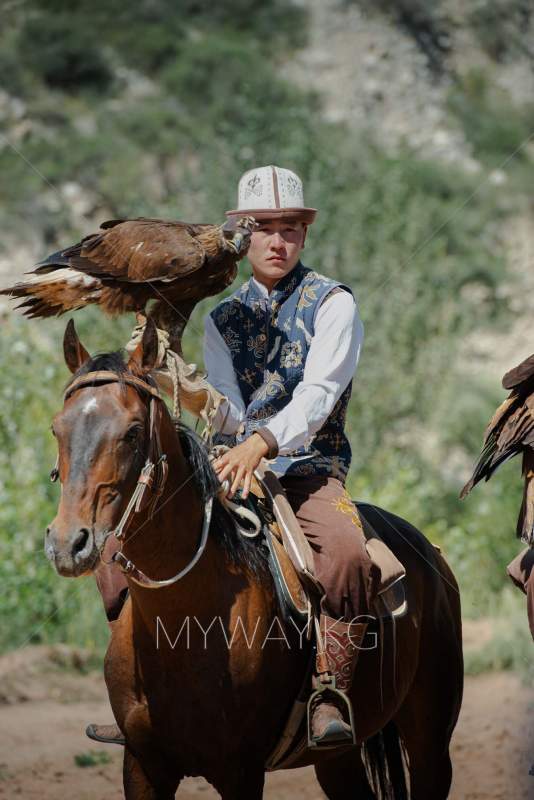
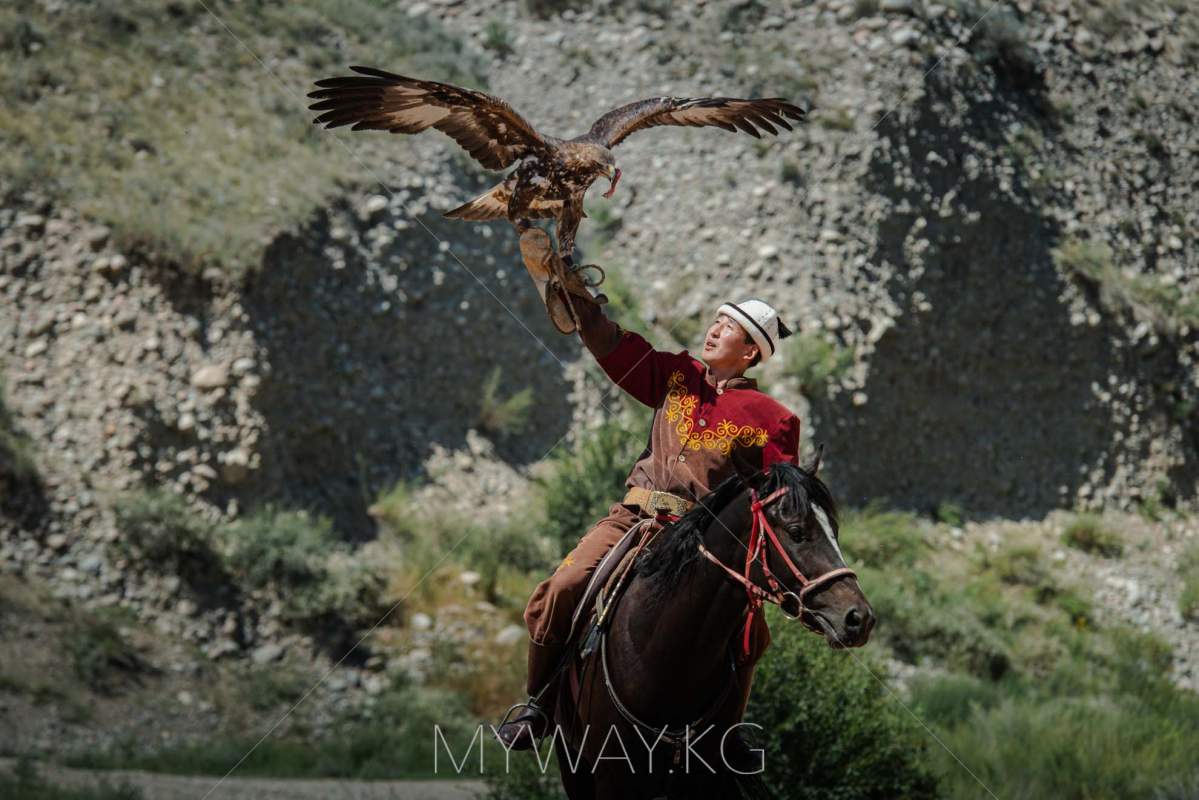
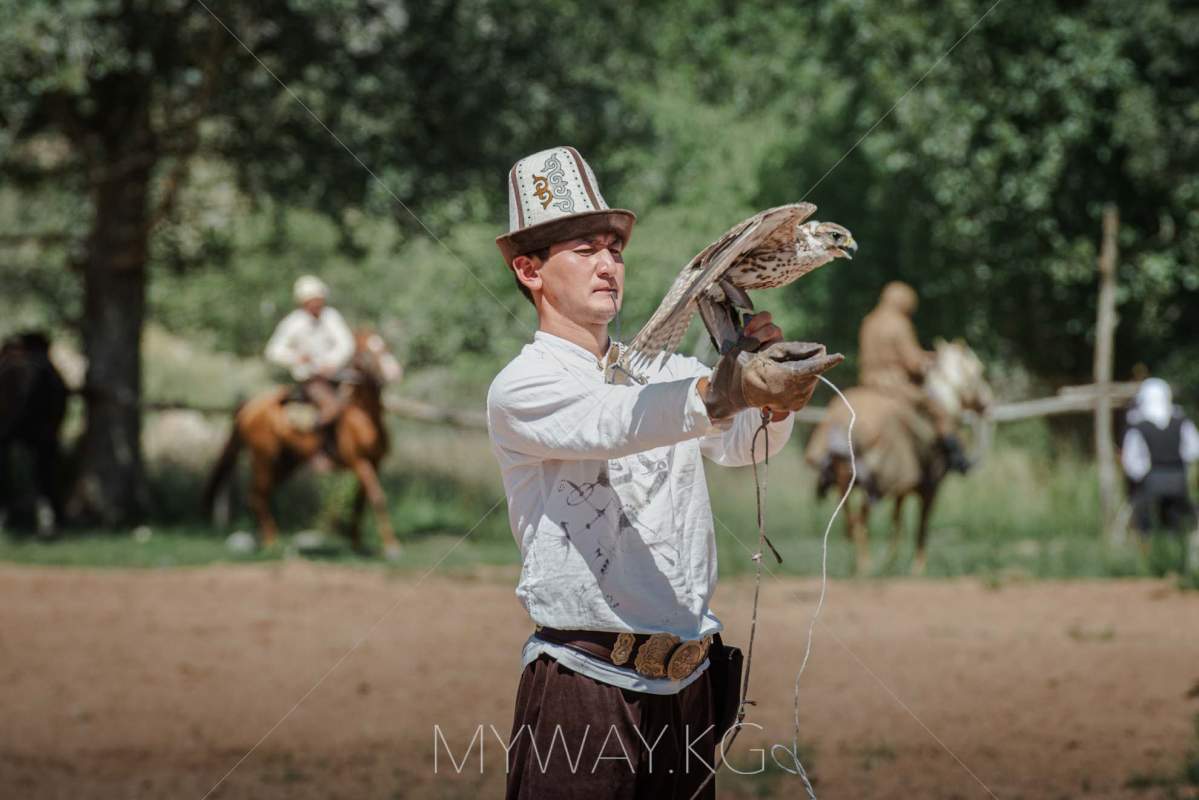
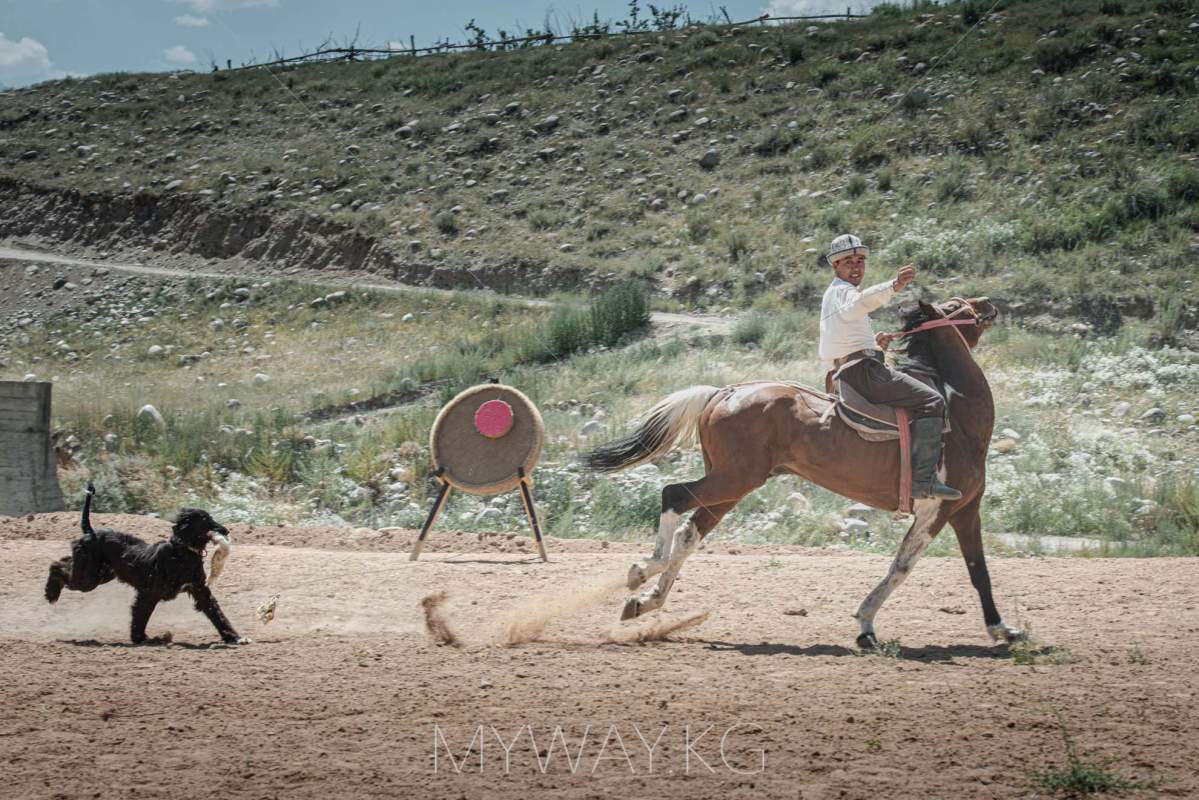
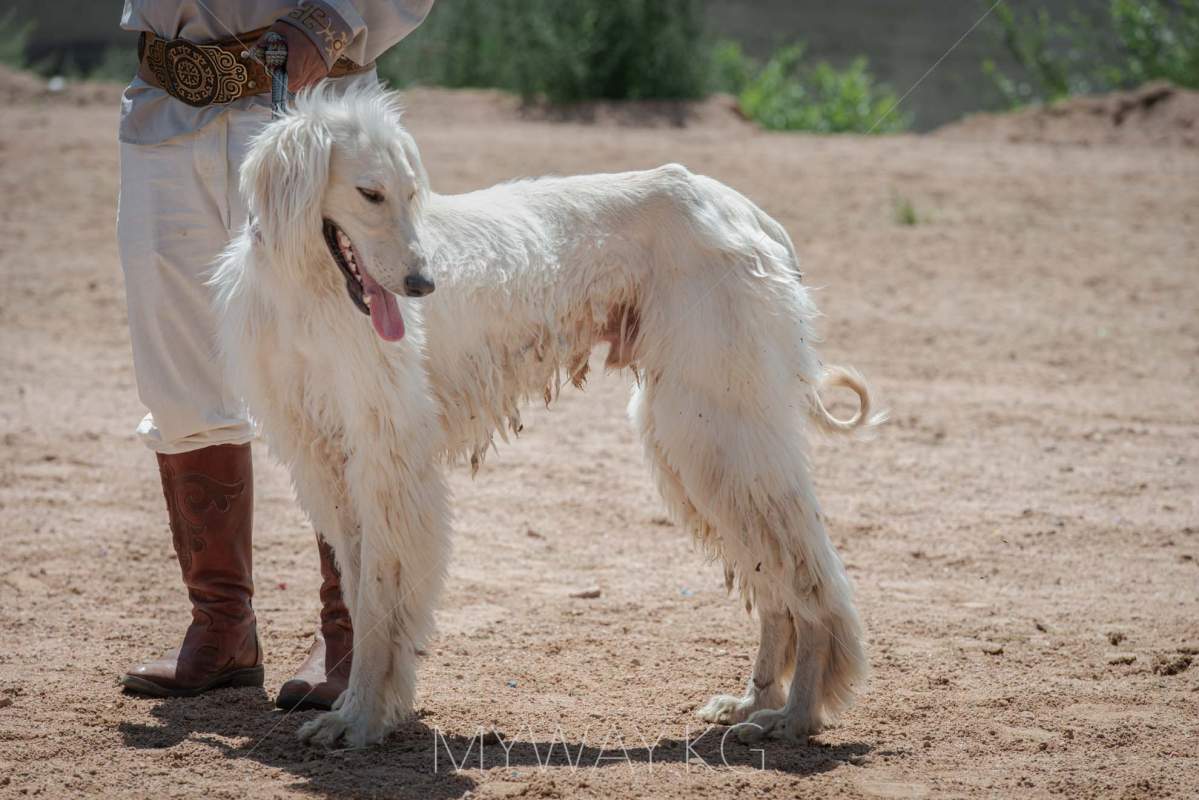
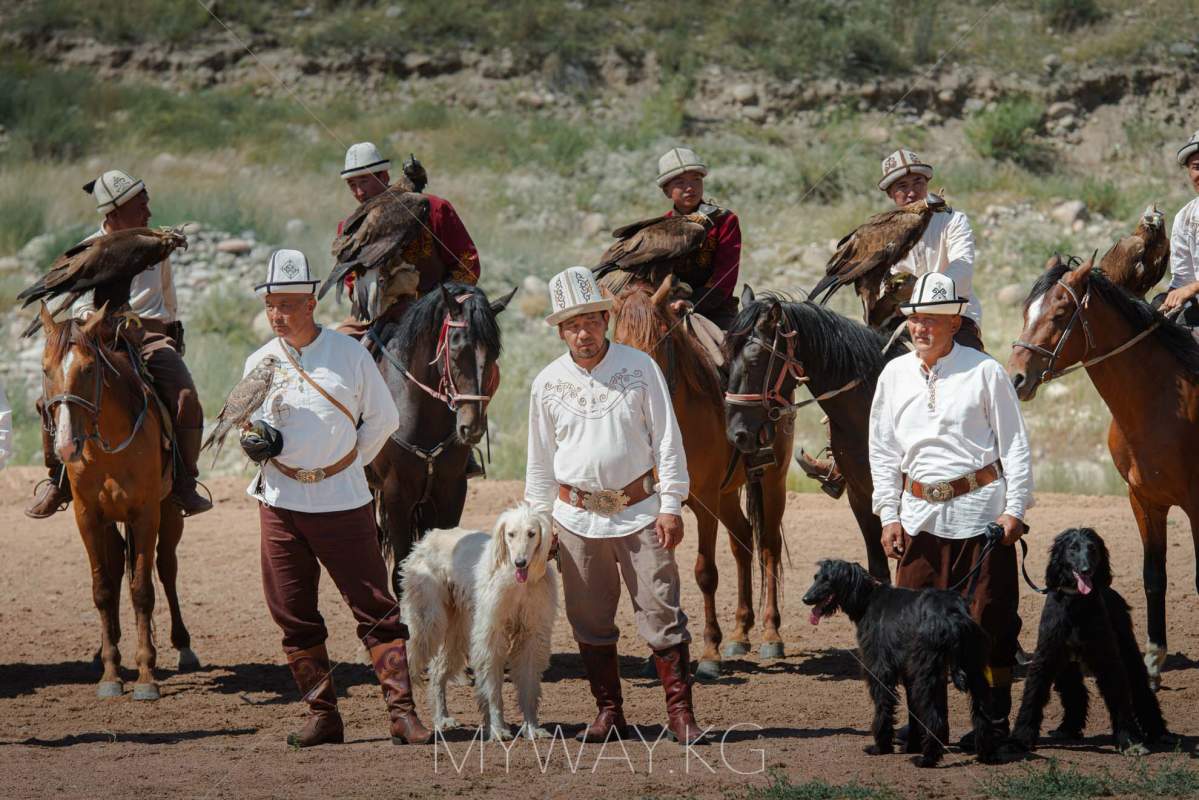
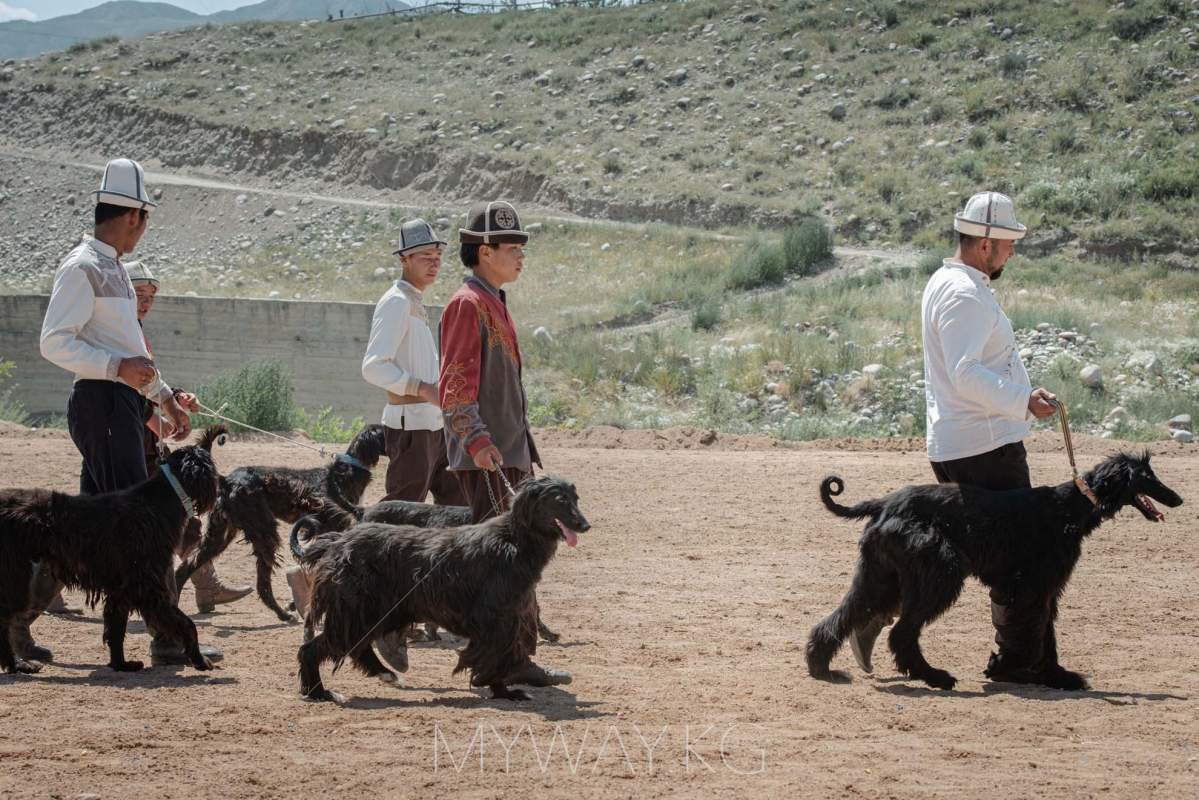
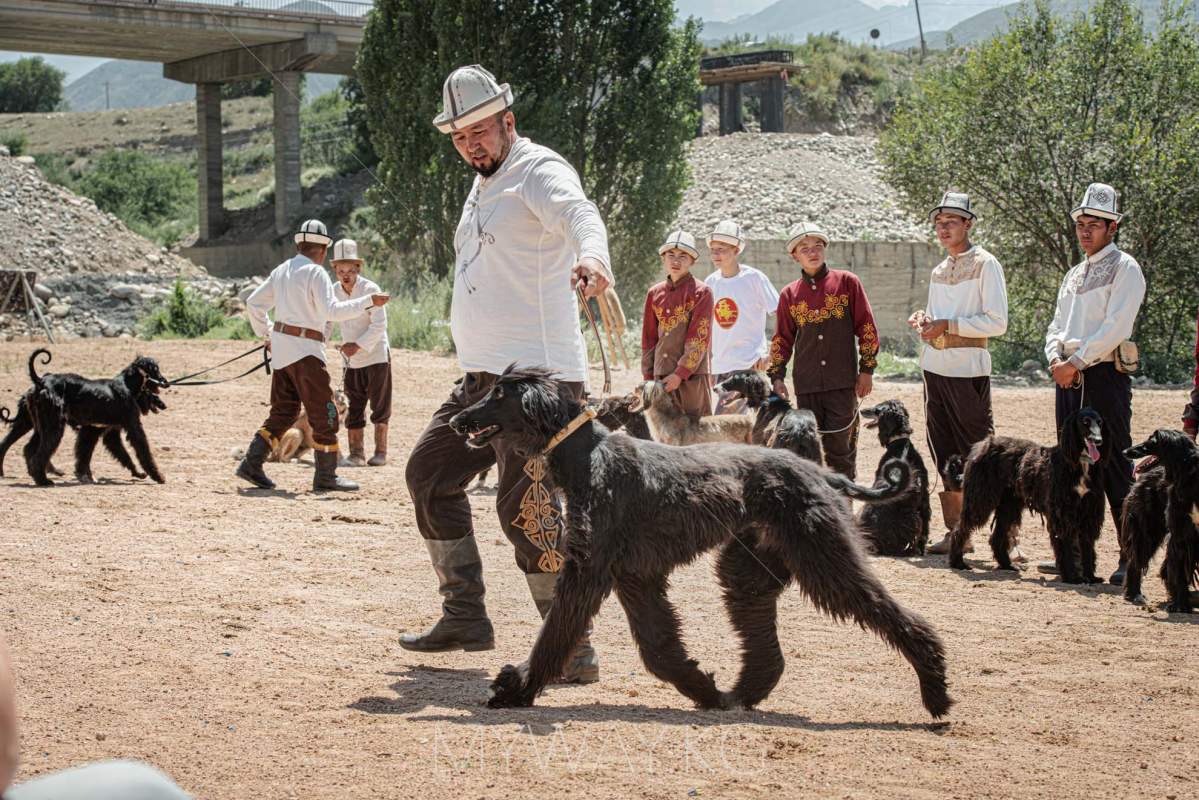
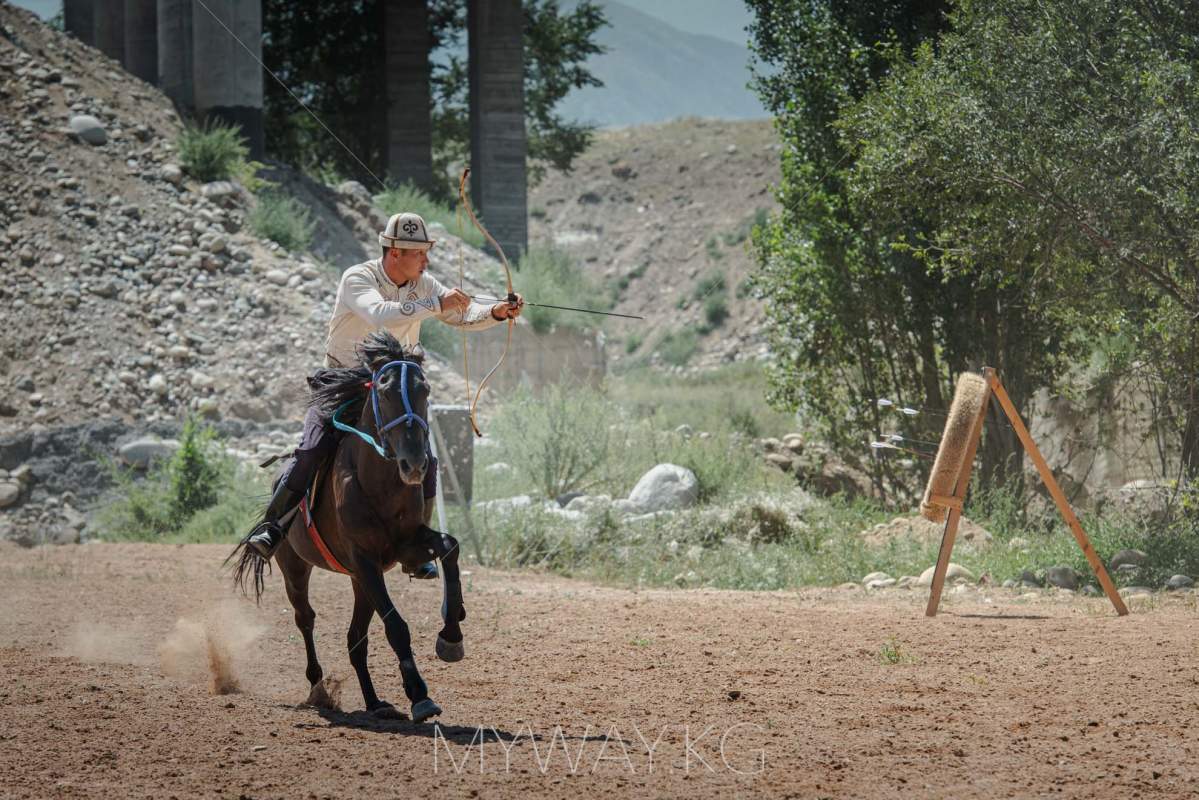
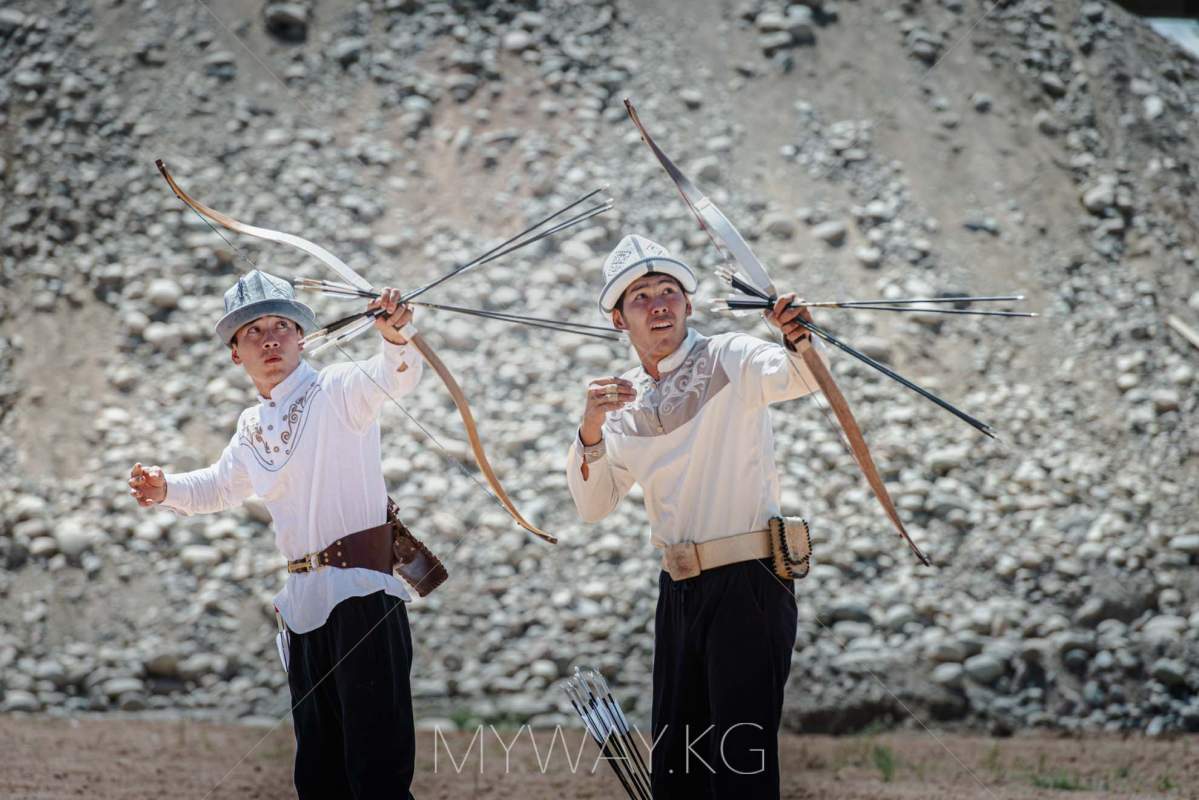
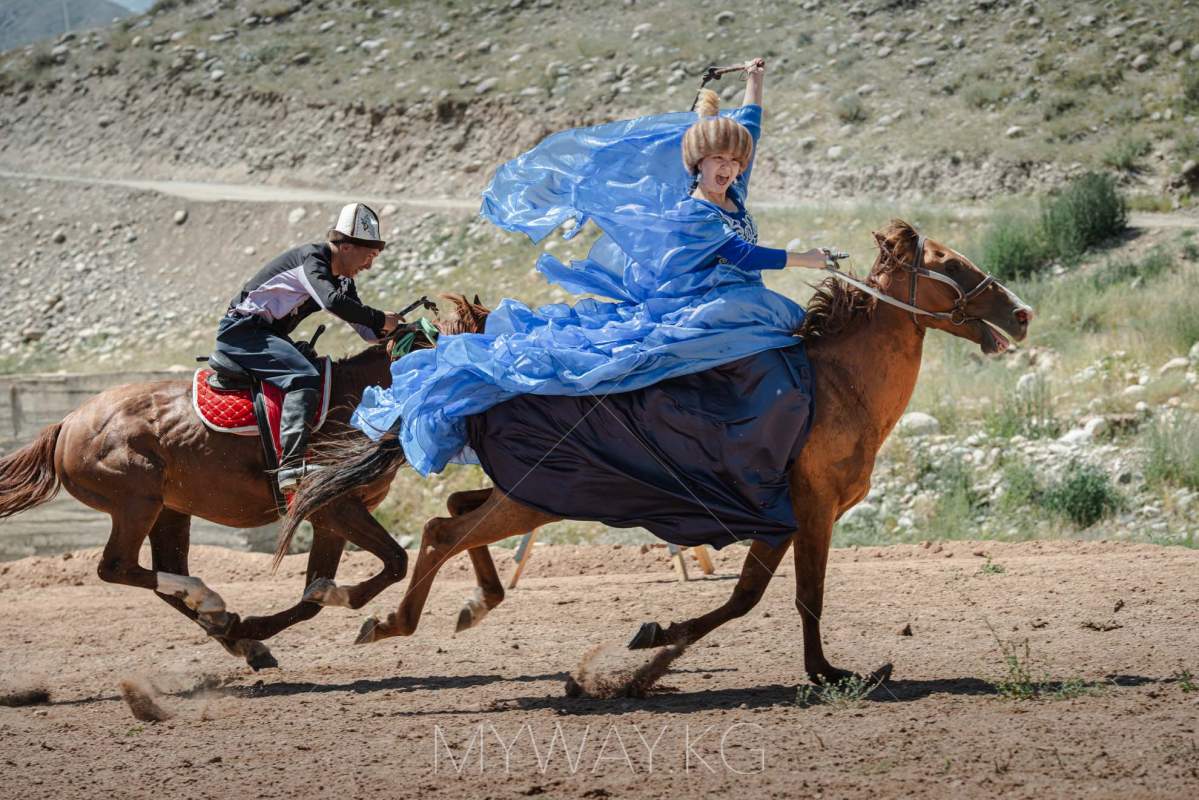
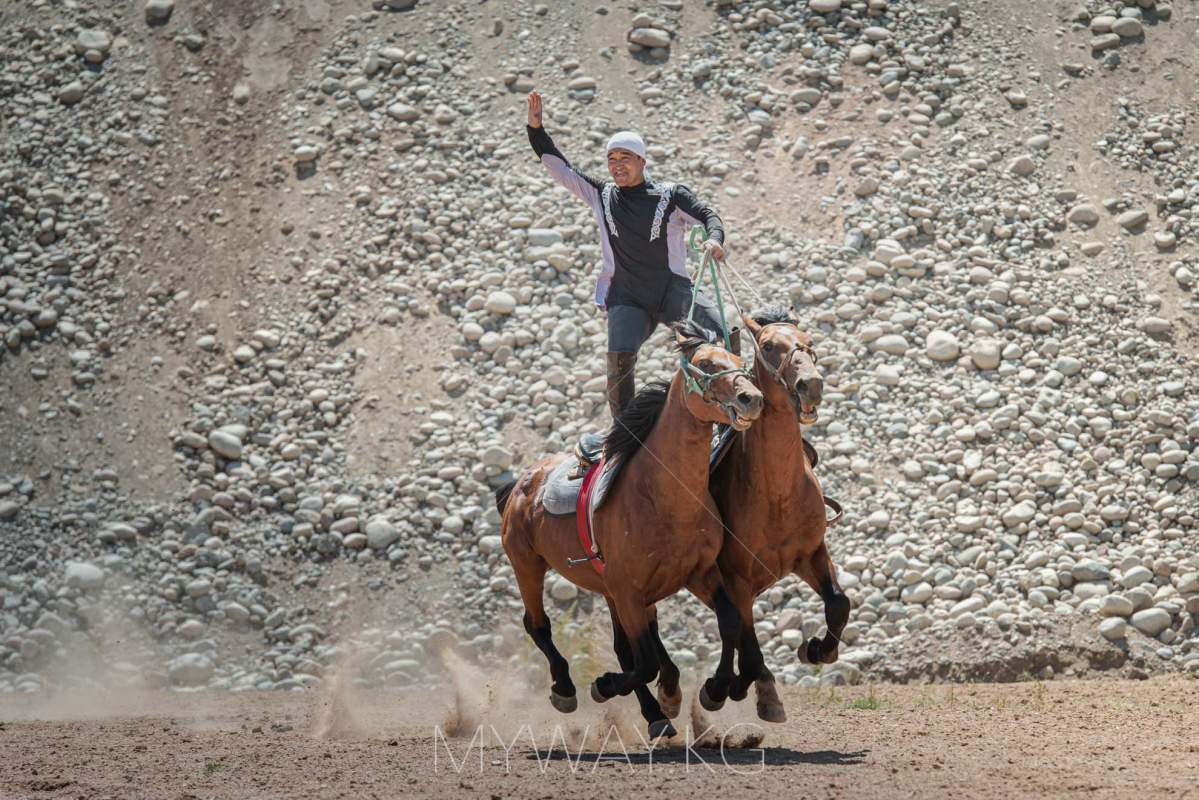
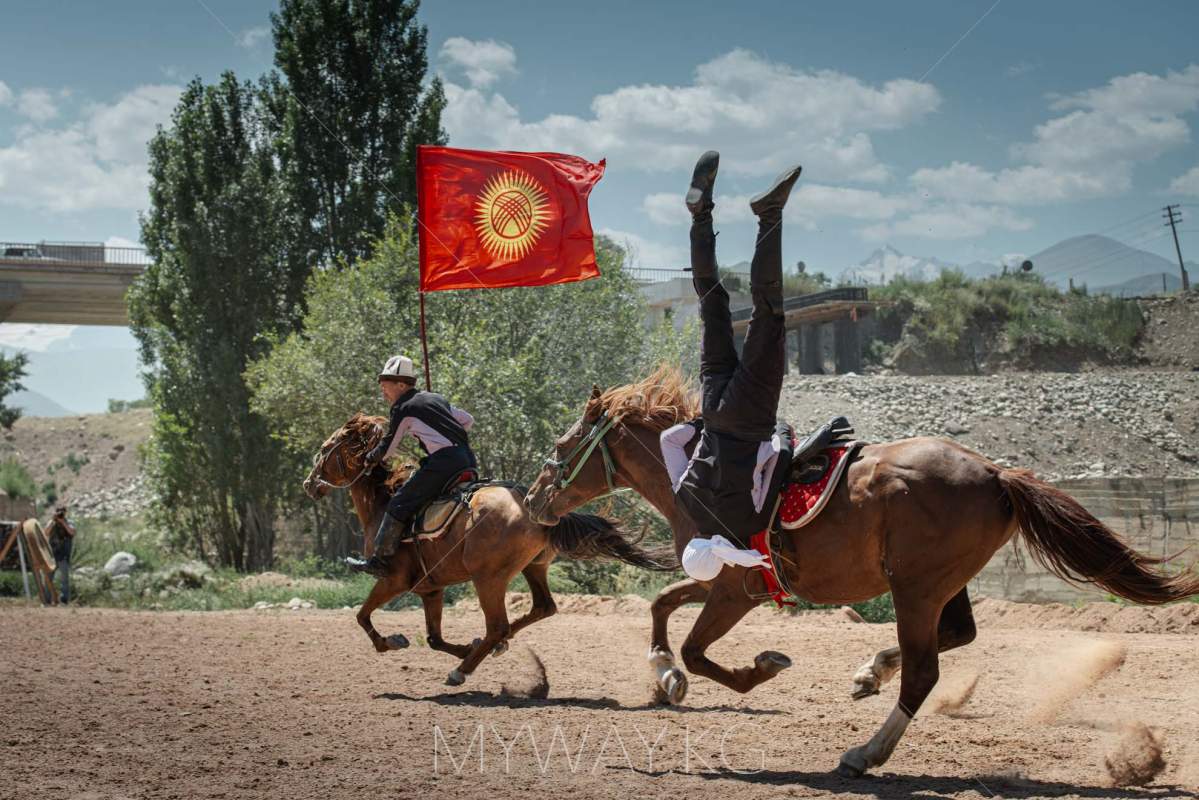
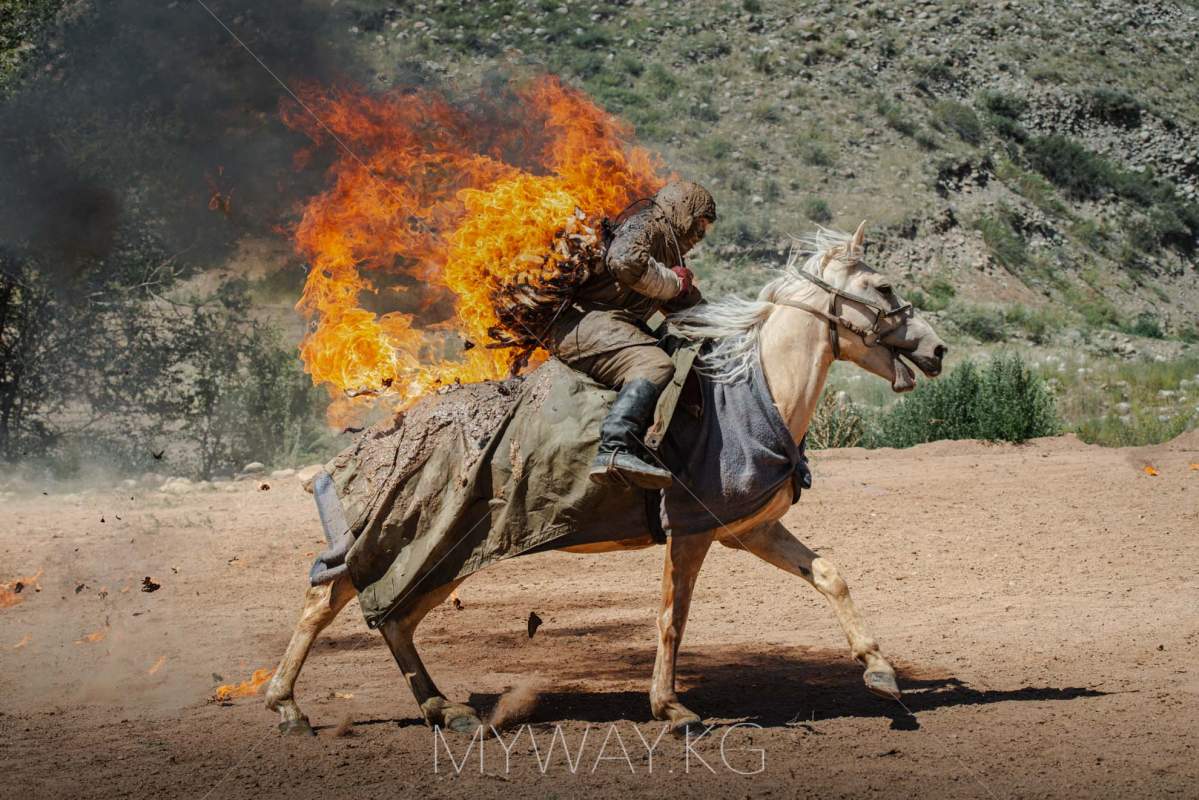
Yet the modern festival extends well beyond this core triathlon. Recent programs have featured traditional Kyrgyz equestrian and folk games—including Kyrgyz Kürösh (belt wrestling), Kyz Kuumai (horseback chase game), and taigansprint races—alongside daring trick-riding stunt shows highlighting horsemanship. In this way, Salbuurun has grown into a full-day immersion into nomadic culture, with hunting arts serving as the anchor around which living traditions gather.
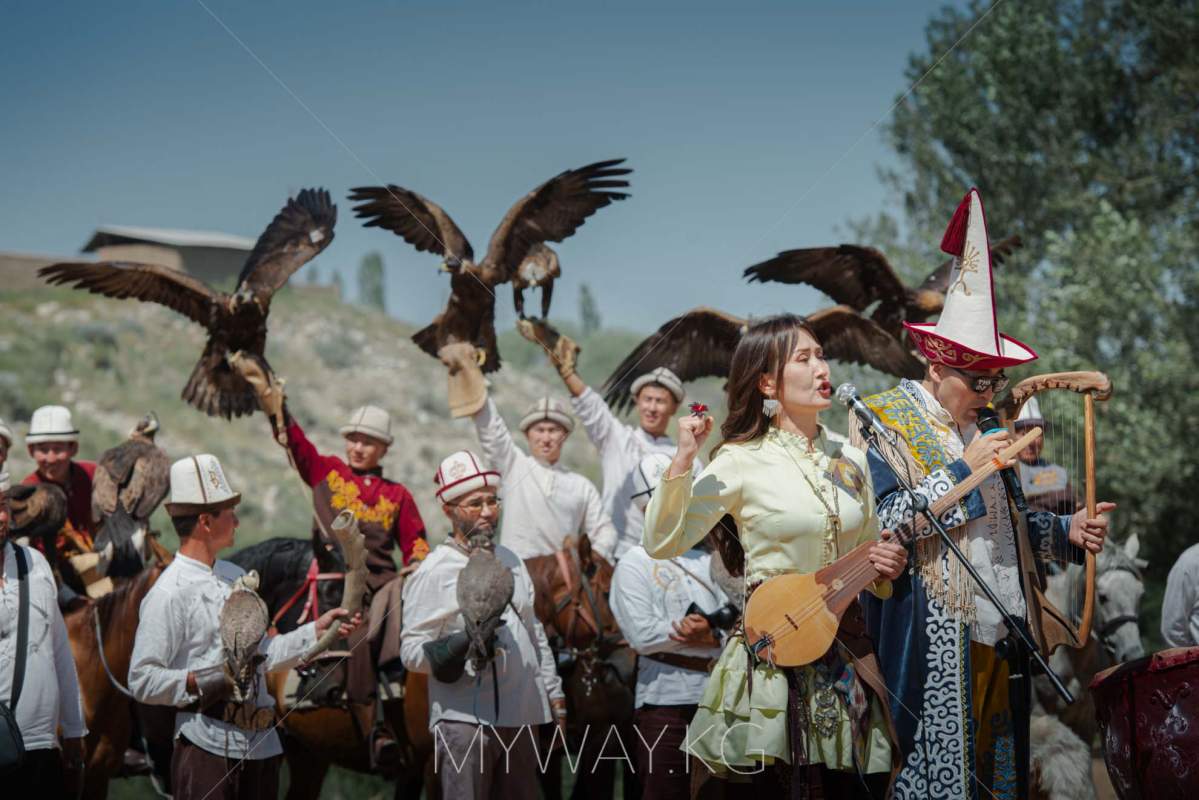
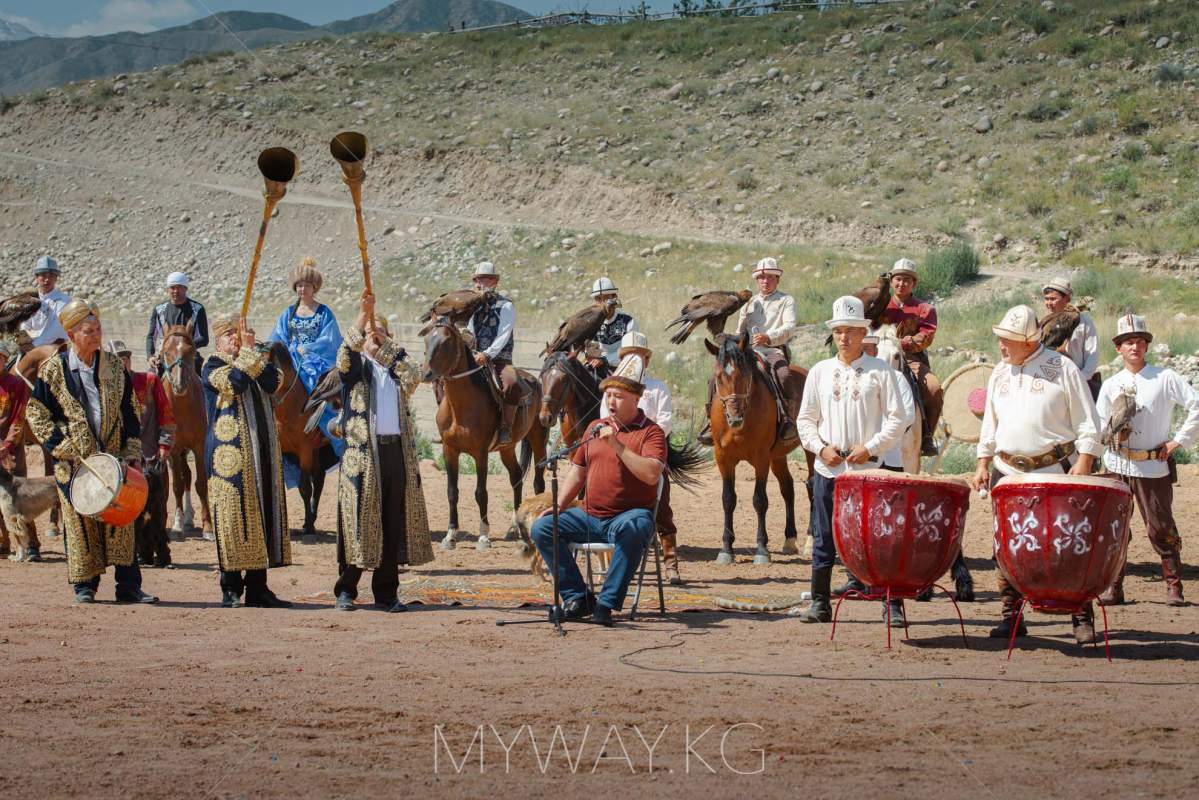
Across the festival grounds, traditional Kyrgyz music fills the air, featuring komuz players and ancestral instruments.Programs frequently include live recitations of the Epic of Manas—one of the cornerstones of Kyrgyz intangible heritage—as well as performances on the dobulbas (ceremonial kettle drum) and kernei (long brass horn), instruments historically tied to royal ceremonies and military traditions.
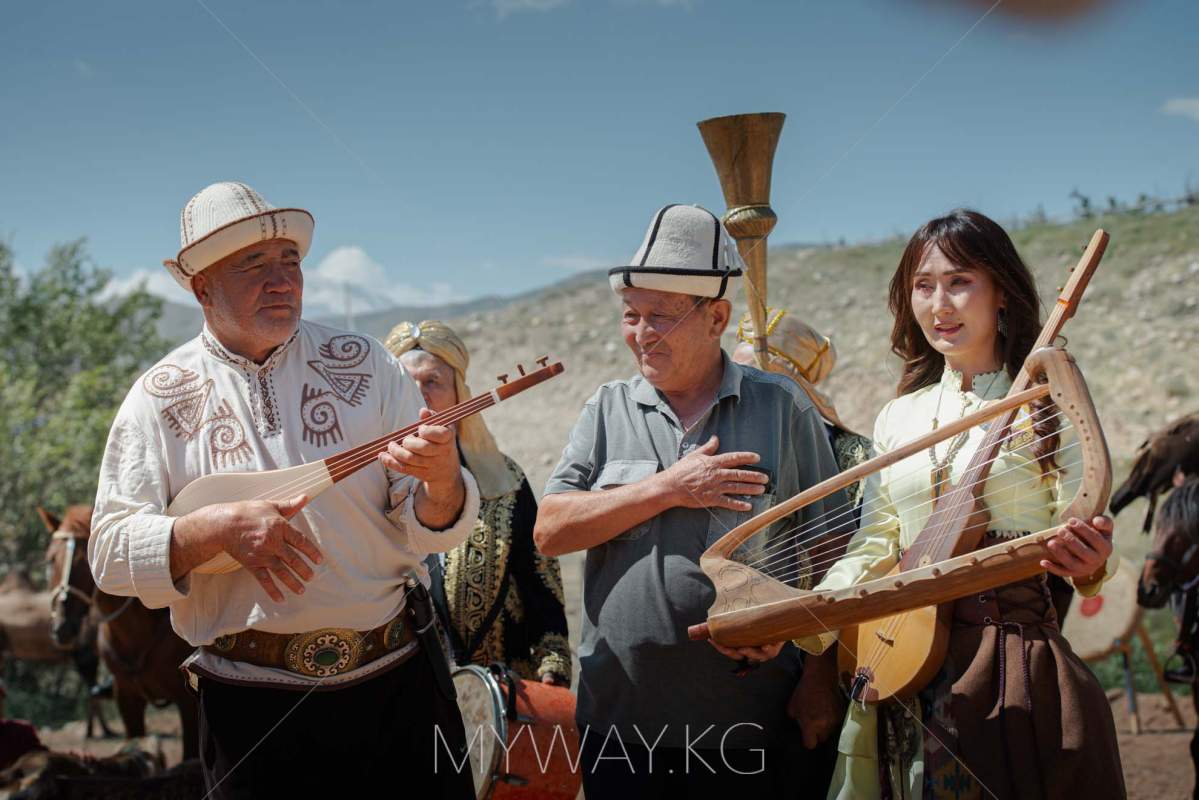
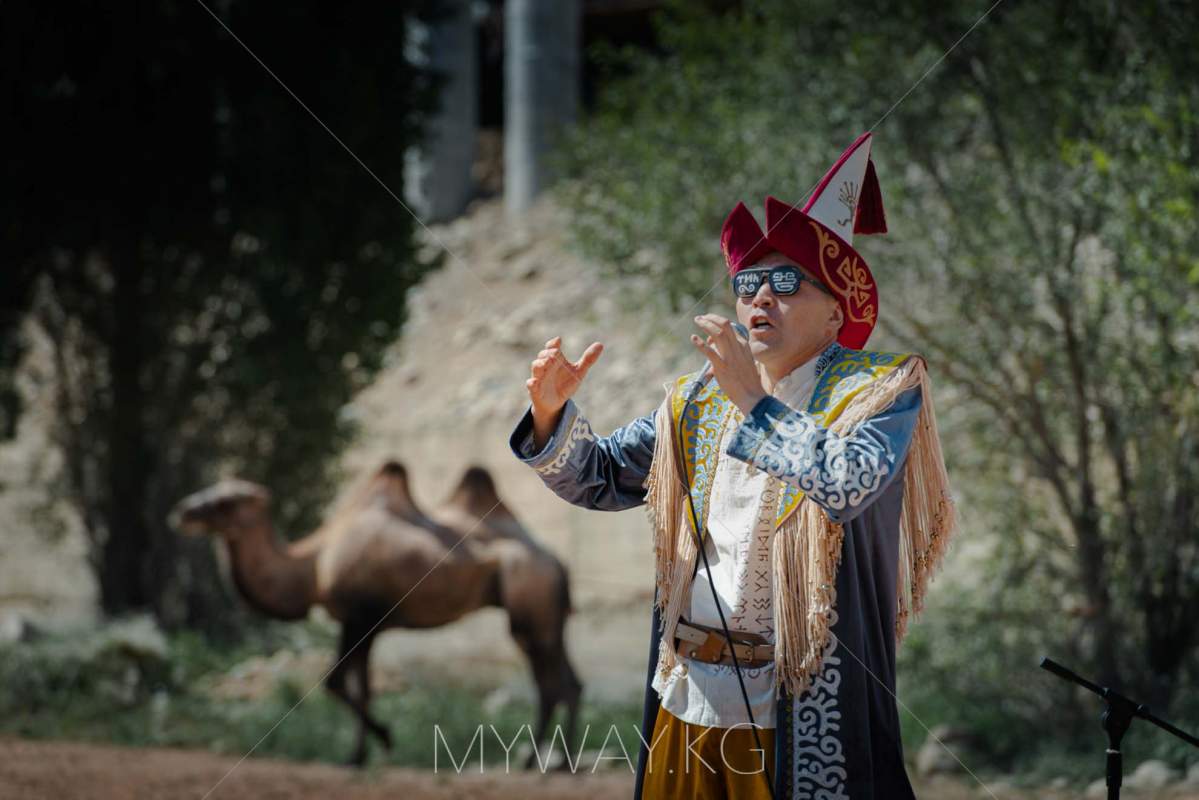
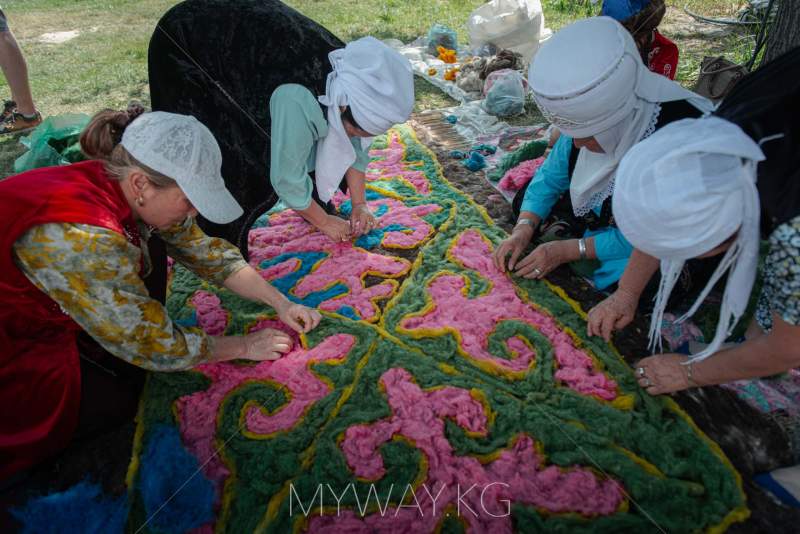
Traditional handicrafts also hold a prominent place. Visitors can meet artisans working with natural materials, crafting equestrian tack, traditional bows, and hunting gear. The 2024 program featured an exhibition of local painters and craftspeople, while the 2026 edition highlighted live demonstrations by master stone-carvers.
Through these elements, the festival expands beyond hunting alone to present a complete cultural ecosystem: horse and hound, bow and craft, music and oral epic, folk games, and practical skills that once sustained everyday nomadic life.
A defining trait of Salbuurun is its commitment to presenting the entire world of the traditional hunter rather than isolated performances.
The grounds showcase native Kyrgyz horse breeds, taigan hounds, Alabai dogs, birds of prey, hunting trophies, and handcrafted gear. For the 2026 program, organizers also announced an exhibition of the prized Arashan sheep breed.
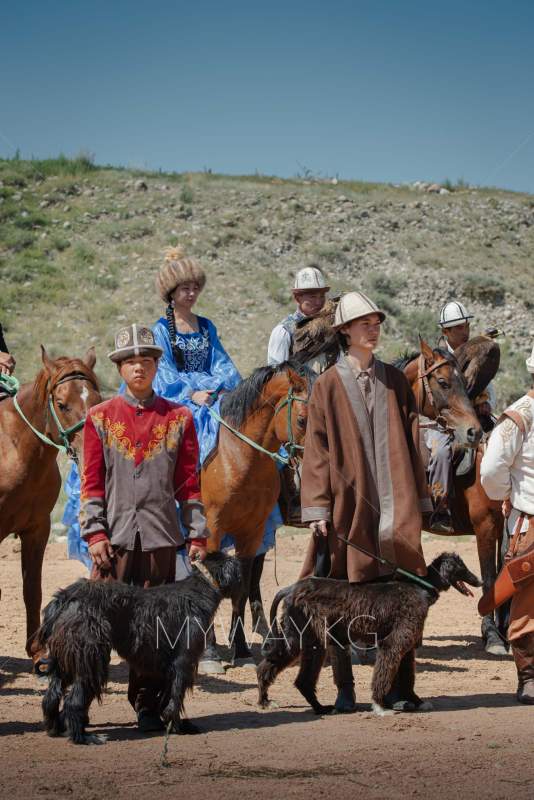
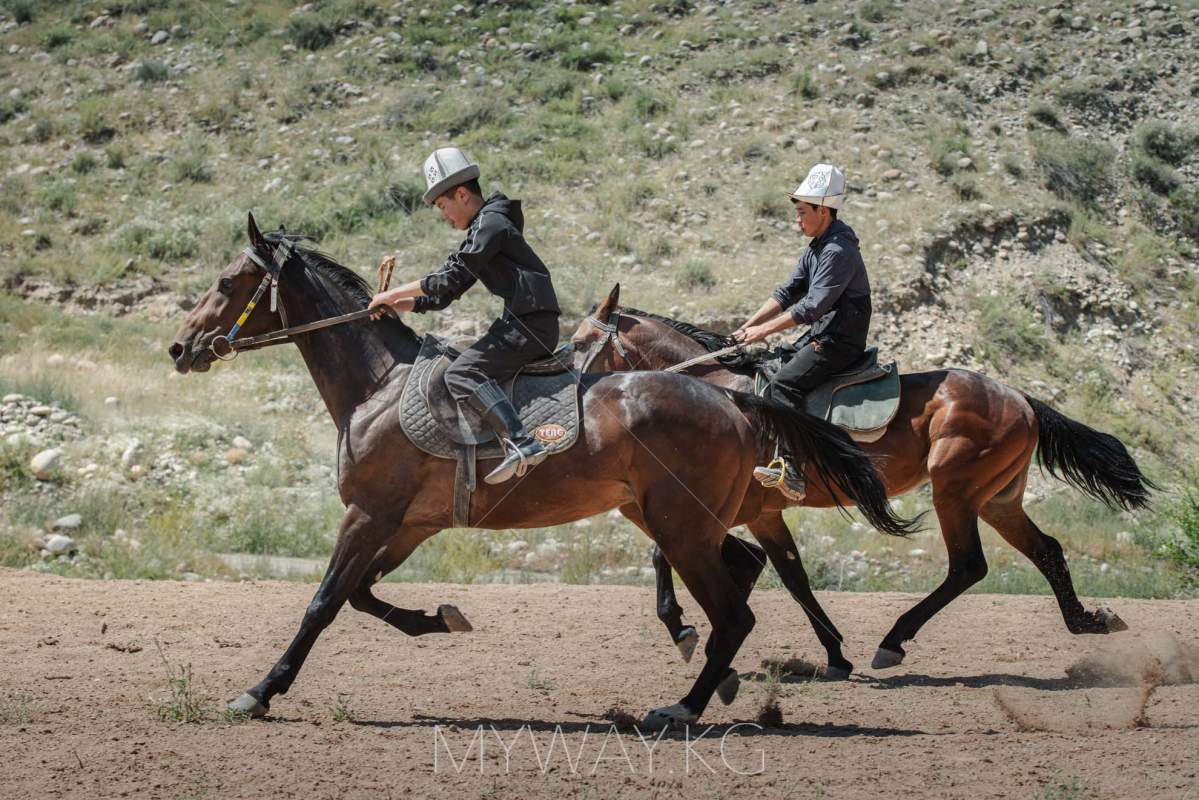
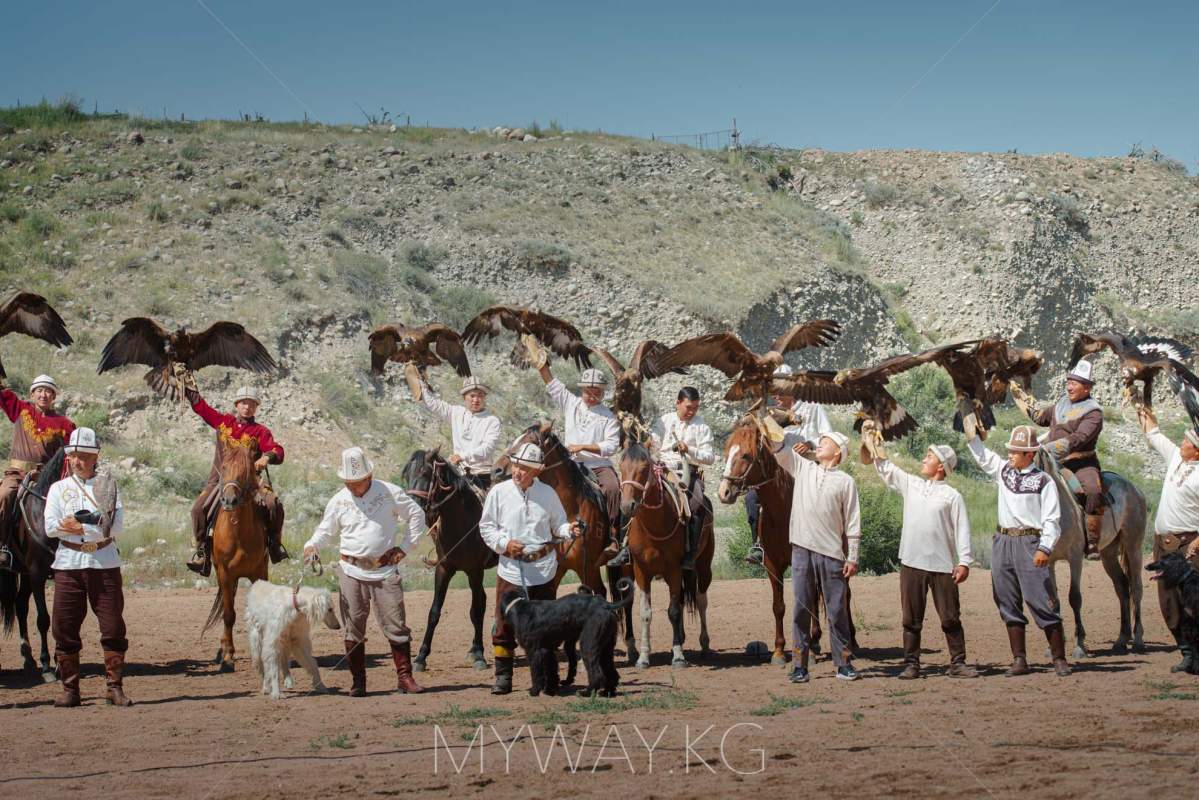
This holistic approach appeals to far more than ethno-sport enthusiasts. Visitors see how animals and tools fit together within a single pastoral system: the horse served as transport and trusted partner, the taigan worked the ground, the golden eagle commanded the sky, and the bow remained a versatile tool of survival.
The primary organizer behind the festival is the Salbuurun Federation, founded on the grassroots movement that united Kyrgyz eagle hunters, taigan owners, and archers. The federation was established by Almazbek Akunov, a native of Bokonbayevo and one of the leading figures in the modern revival of traditional Kyrgyz hunting.
Salbuurun exists not merely as a tourism attraction, but as the living work of a dedicated community of practitioners who actively hunt, raise birds and hounds, and pass their knowledge on to younger generations.
Bokonbayevo holds a special place in the modern revival of these traditions. Hereditary berkutchi and hunters live here,and the local community actively preserves hunting skills as part of daily life. Cultural initiatives and researchers note that hunting with birds of prey and sighthounds remains deeply woven into local identity while supporting rural livelihoods and community-based tourism.
For this reason, visiting Salbuurun offers far more than a historical reenactment. Behind the festival arena stands a living culture practiced year-round by local families—setting Salbuurun apart from staged ethnographic shows where tradition ends the moment spectators leave.
In recent years, the festival has become an increasingly recognizable highlight of travel in Kyrgyzstan, drawing both local families and international visitors to Bokonbayevo.
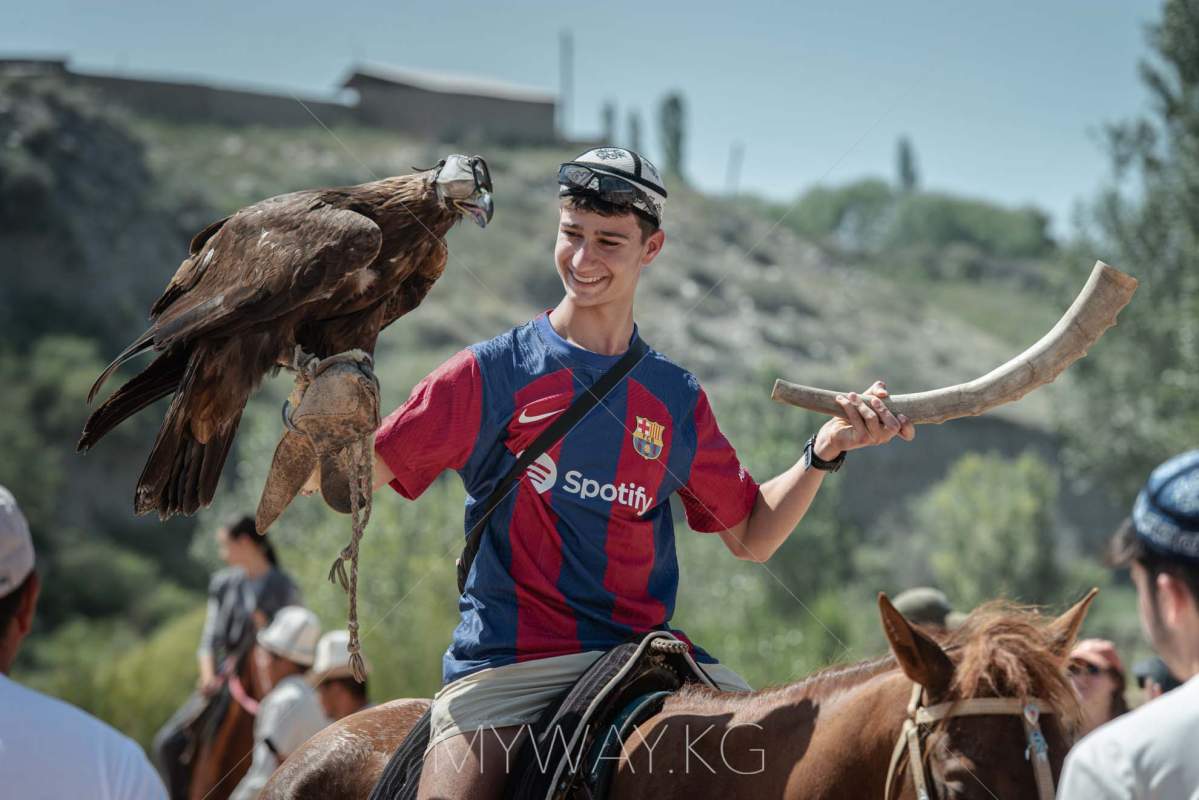
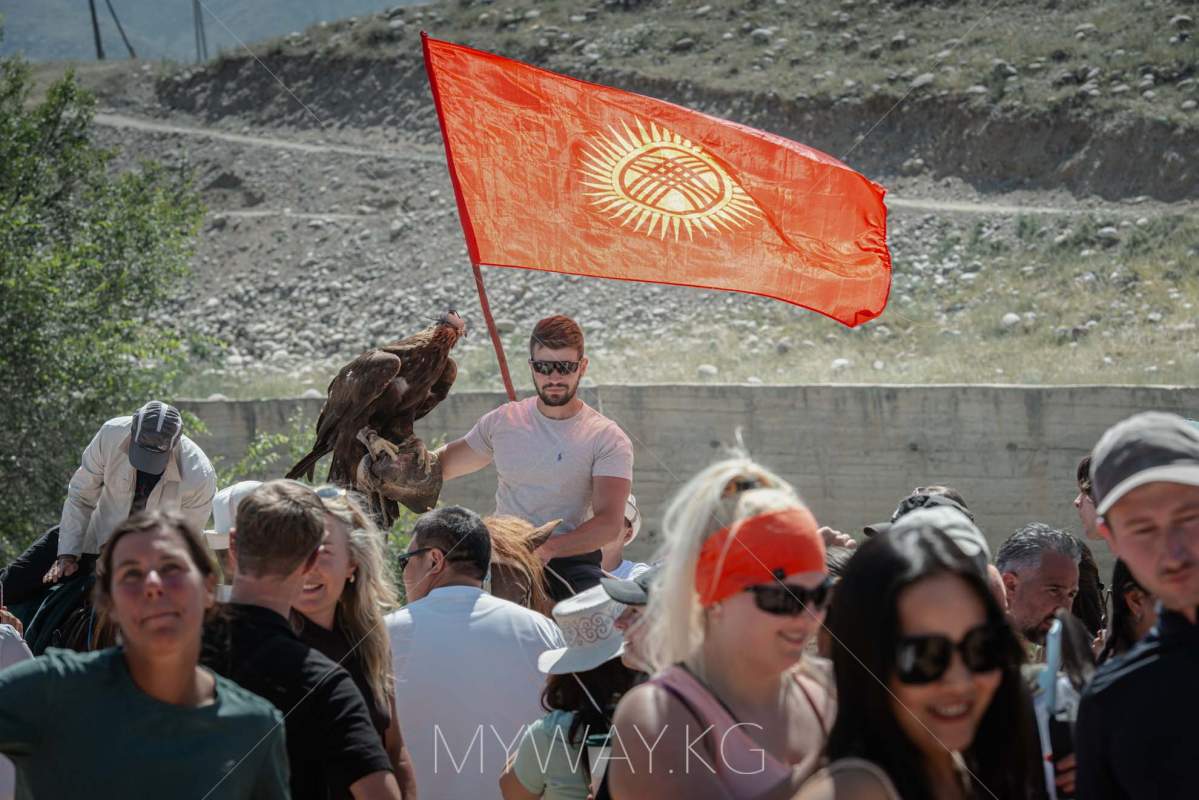
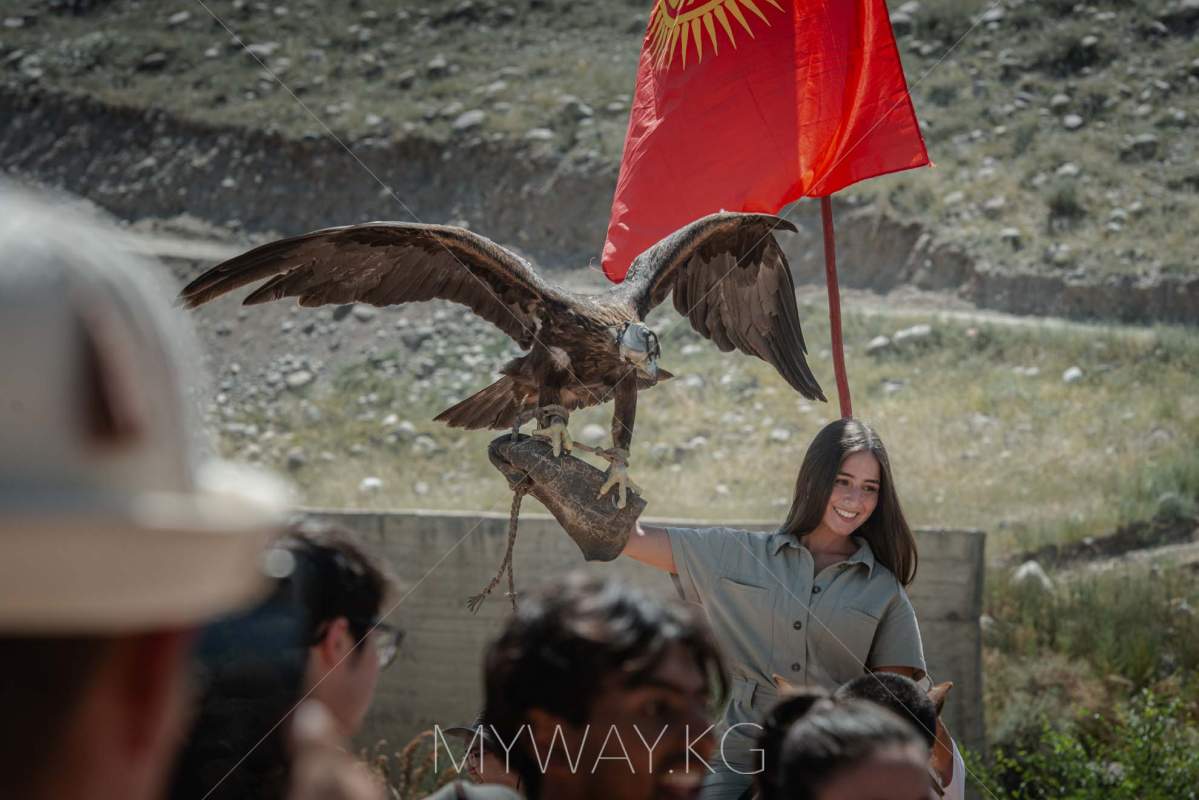
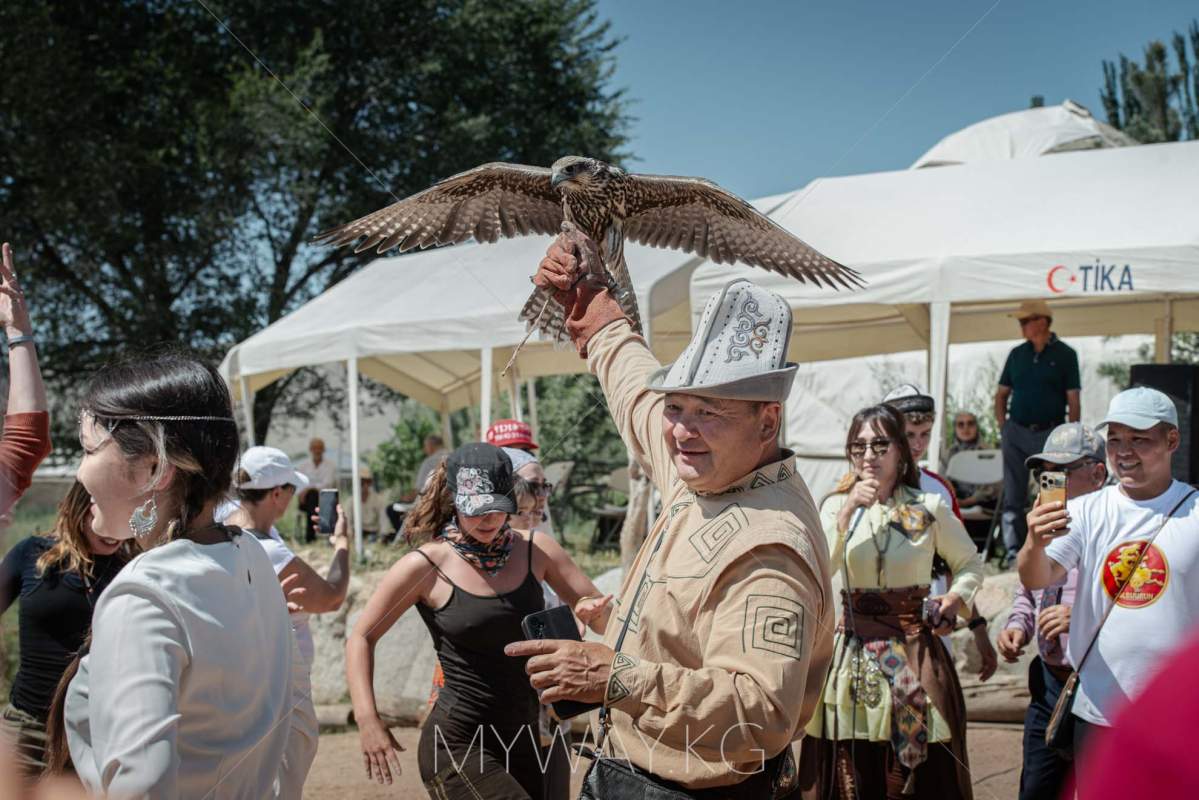
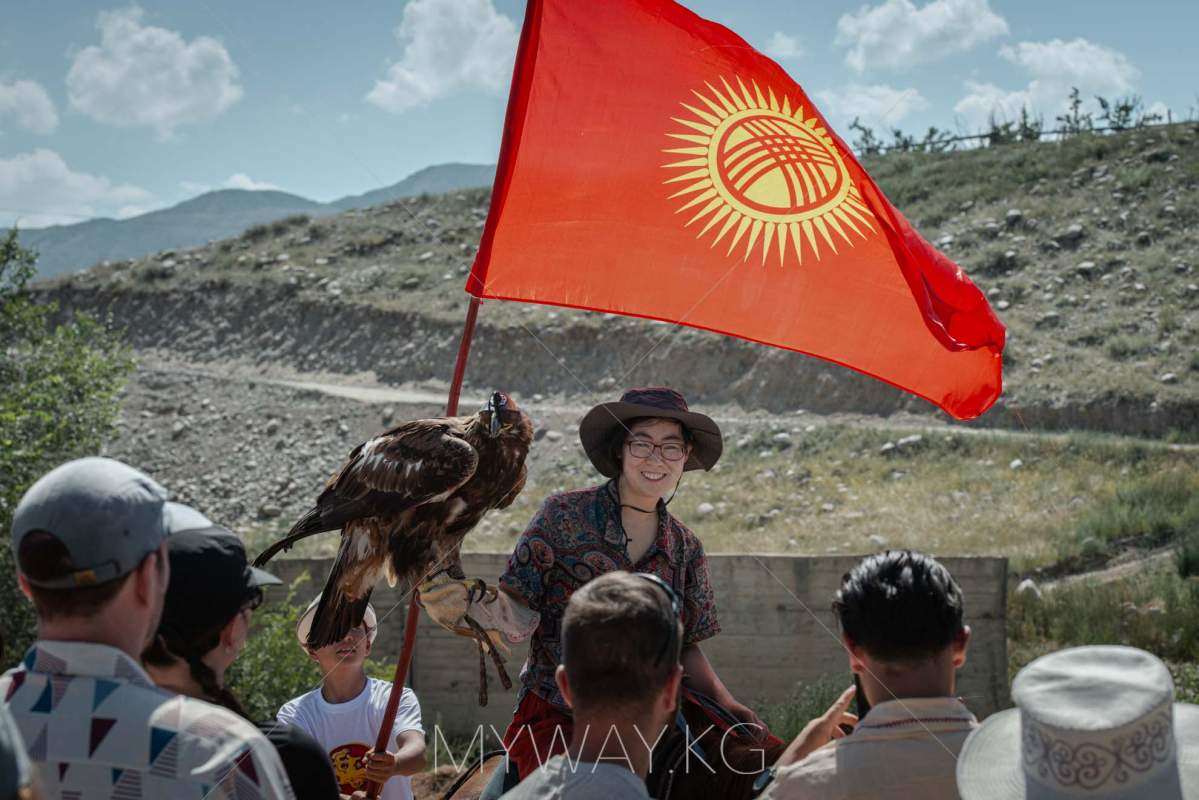
For travelers, it offers an especially rewarding way to experience the country: there is no need to choose between nature,culture, and active exploration—everything comes together in one place. Just as importantly, Salbuurun demonstrates how intangible cultural heritage survives not behind museum glass, but through living practice, mentorship, and friendly competition.
The festival is traditionally held on the first Saturday of August, though exact dates should always be confirmed in advance (for example, it took place on August 3 in 2024, and on August 2 in 2026).
For independent travelers, the easiest way to experience Salbuurun is as part of a road trip along the southern shore of Lake Issyk-Kul. Bokonbayevo pairs naturally with nearby gorges, red-rock canyons, alpine lakes, and scenic mountain valleys.
If you want to experience Kyrgyzstan not only through its landscapes, but through its people, skills, and living heritage,Salbuurun belongs on your summer Issyk-Kul itinerary. Here, it becomes clear that nomadic culture goes far beyond yurts, felt rugs, and horseback rides—it is an intricate system of knowledge about animals, nature, craftsmanship,movement, and resilience passed down from generation to generation. Above all, Salbuurun turns ancient hunting arts into a vibrant window into contemporary Kyrgyz culture.
Discover more handpicked adventures and guided experiences in Kyrgyzstan